

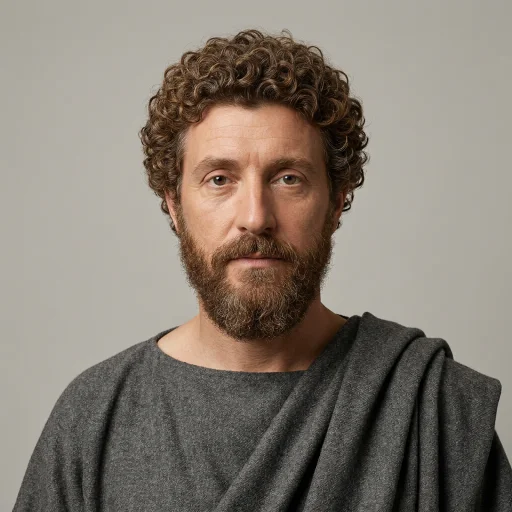
Marco Aurélio
Roman Emperor and one of the leading Stoic philosophers, whose reflections on virtue, duty, and mental resilience in 'Meditations' continue to guide generations.
Frases de Marco Aurélio
“Our life is what our thoughts make of it.”
Filosófico “The best revenge is to be unlike him who performed the injury.”
Reflexão Ética “Everything we hear is an opinion, not a fact. Everything we see is a perspective, not the truth.”
Filosófico “Waste no more time arguing about what a good man should be. Be one.”
Prático “The happiness of your life depends upon the quality of your thoughts.”
Filosófico “Injustice is often committed not only by those who act, but also by those who fail to act.”
Crítica social “Accept the things to which fate binds you, and love the people with whom fate has united you, but do so with all your heart.”
Reflexão “What is not good for the beehive, is not good for the bee.”
Cívico “Very little is needed for a happy life; it is all within yourself, in your way of thinking.”
Filosófico “Death smiles at us all; all a man can do is smile back.”
Reflexão
Publicidade
Outros pensadores
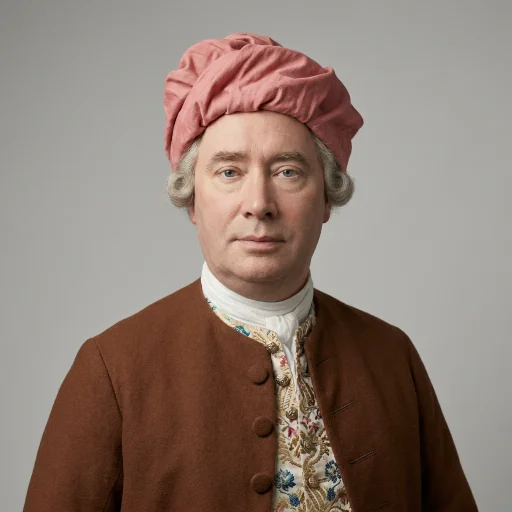 David HumeDavid Hume was a towering Scottish philosopher, historian, and essayist, renowned for his radical empiricism and skepticism regarding human nature and knowledge.
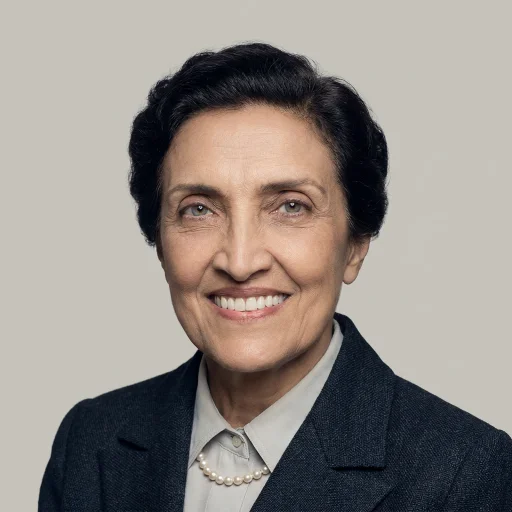 Cecília MeirelesA Modernist icon, Cecília Meireles blended lyricism and spirituality in a body of work exploring transience, time, and human sensitivity with unique technical mastery.
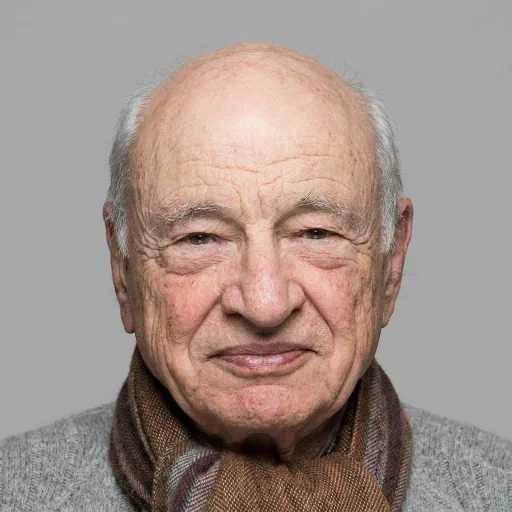 Edgar MorinRenowned French philosopher and sociologist Edgar Morin is the father of Complex Thought, advocating for educational reform and interdisciplinary integration to understand our world.
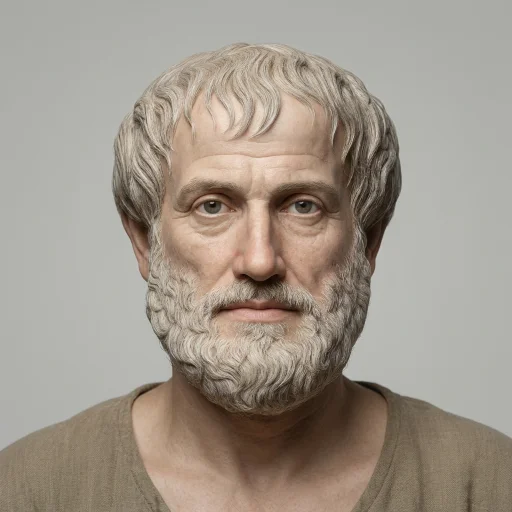 AristótelesPivotal Greek philosopher whose works on logic, ethics, and science built the foundations of Western thought for millennia.
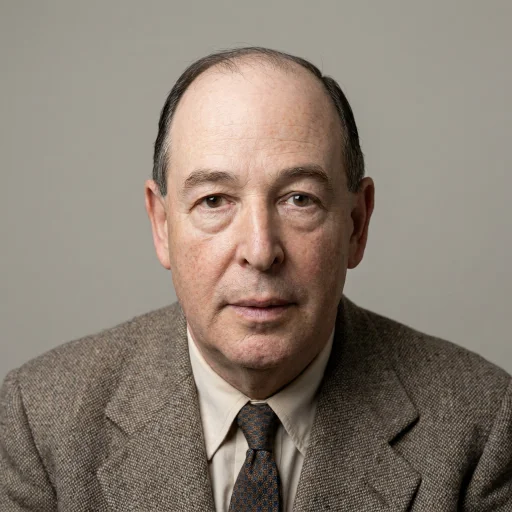 C. S. LewisFamous British author and scholar known for The Chronicles of Narnia and his Christian insights. Lewis masterfully explored the intersection of reason, imagination, and faith.
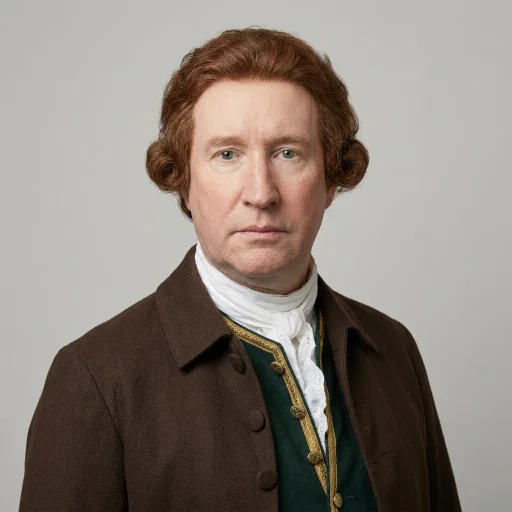 Edmund BurkeIrish statesman and philosopher Edmund Burke is considered the father of modern conservatism, advocating for prudence, tradition, and gradual reform over revolutionary upheaval.