

Pensadores
Pensadores, autores e seus melhores pensamentos
Filósofos, escritores e personalidades que inspiram. Clique em um nome para ler a biografia e copiar as melhores frases.
207 de 207 pensadores
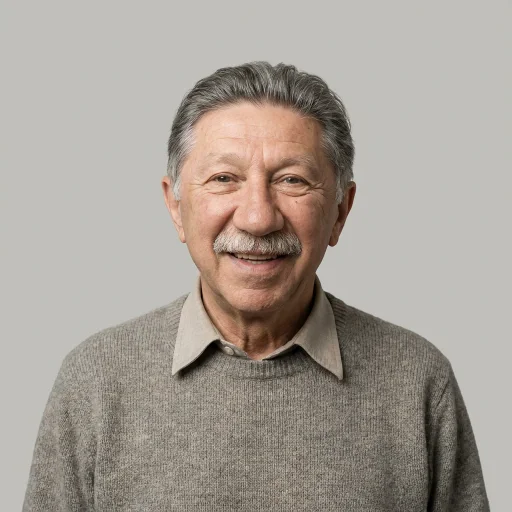
Abraham Maslow
20th-century American psychologist Abraham Maslow founded humanistic psychology and is globally famous for Maslow's Hierarchy of Needs and self-actualization theory.
15 pensamentosAchille Mbembe
Achille Mbembe is a Cameroonian historian, political scientist, and philosopher, widely regarded as one of the most influential thinkers in postcolonial theory today. His work explores the complex relationships between power, subjectivity, and the legacy of colonization in the contemporary world. He is globally renowned for the concept of 'necropolitics,' where he analyzes how the state decides who may live and who must die. His studies transcend borders, connecting African history with global dilemmas concerning democracy, sovereignty, and structural racism in an increasingly digital and fragmented world.
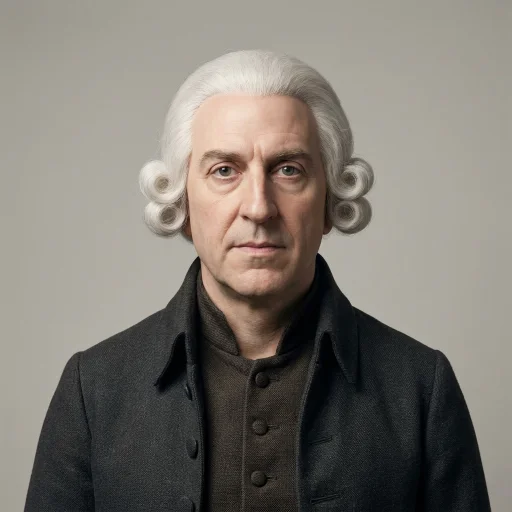
Adam Smith
Adam Smith was the father of modern economics and a moral philosopher whose work 'The Wealth of Nations' laid the foundations for classical liberalism and the free market.
2 pensamentosAilton Krenak
Ailton Krenak is a Brazilian Indigenous leader, environmentalist, and philosopher, serving as one of the most powerful voices in contemporary thought regarding the relationship between humanity and nature. His seminal work, 'Ideas to Postpone the End of the World,' proposes a profound rethink of our extractive way of life. Krenak critiques the notion of humanity as something separate from the environment, advocating for cultural diversity and the recognition of Earth as a living being. His philosophy is an invitation to awaken an ancestral consciousness that prioritizes life over profit.
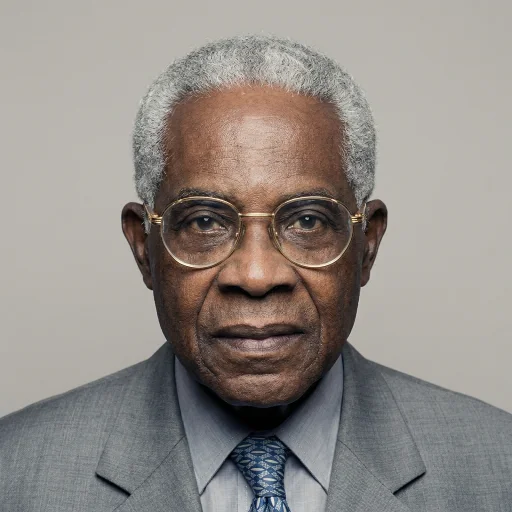
Aimé Césaire
Martinican poet and politician Aimé Césaire was the pioneer of the Négritude movement and a key voice in critiquing colonialism and reclaiming Black identity.
Al-Farabi
Known as the 'Second Teacher' (after Aristotle), Al-Farabi was one of the greatest philosophers of the Islamic Golden Age. A true polymath, he wrote extensively on logic, metaphysics, music, and political philosophy, harmonizing Greek thought with Islamic theology. His political vision, inspired by Plato’s Republic, described the ideal 'Virtuous City' ruled by a philosopher-king seeking collective happiness through reason. His works were essential in preserving classical knowledge during the Middle Ages.
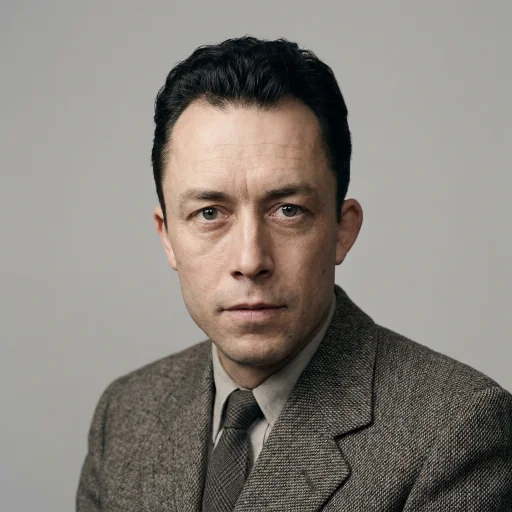
Albert Camus
Nobel Prize-winning French-Algerian author and philosopher, creator of Absurdism, and a vital voice on freedom, rebellion, and the 20th-century human condition.
2 pensamentos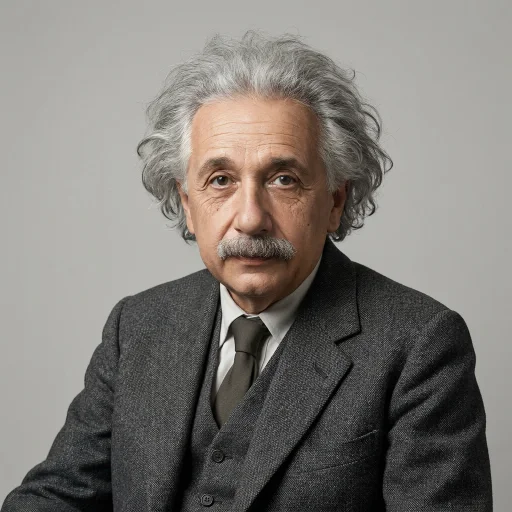
Albert Einstein
Iconic theoretical physicist Albert Einstein revolutionized science with the theory of relativity, becoming a global symbol of genius, curiosity, and humanism.
15 pensamentos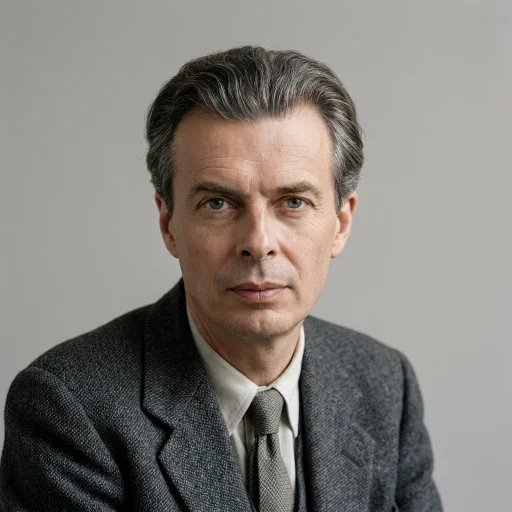
Aldous Huxley
British writer and philosopher, best known for 'Brave New World'. His work explores the dangers of technological control and the expansion of human consciousness.
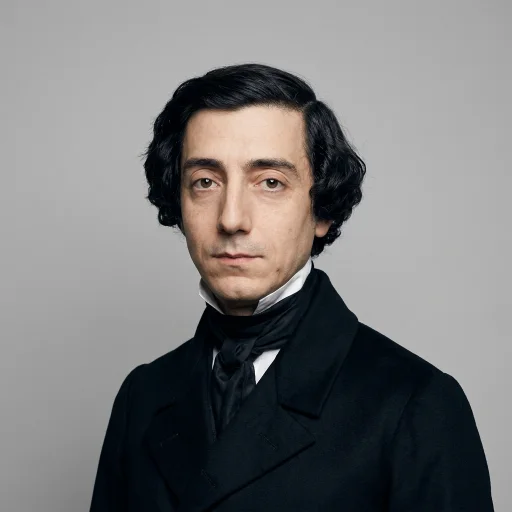
Alexis de Tocqueville
Alexis de Tocqueville was a French philosopher and politician, author of Democracy in America, and a pioneer in analyzing social dynamics, liberty, and equality.
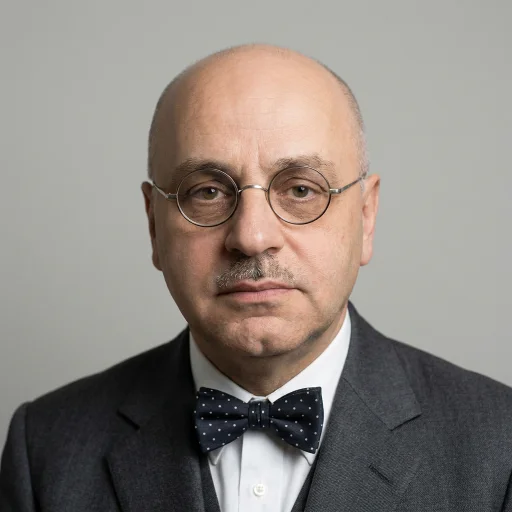
Alfred Adler
Austrian psychiatrist and founder of Individual Psychology, Alfred Adler revolutionized psychoanalysis by focusing on the inferiority complex and the human drive for belonging and growth.
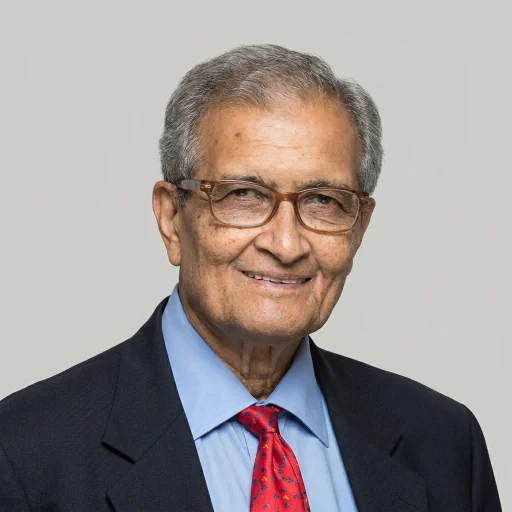
Amartya Sen
Nobel-winning Indian economist and philosopher, pioneer of the capability approach and advocate for development centered on human freedom and social justice.
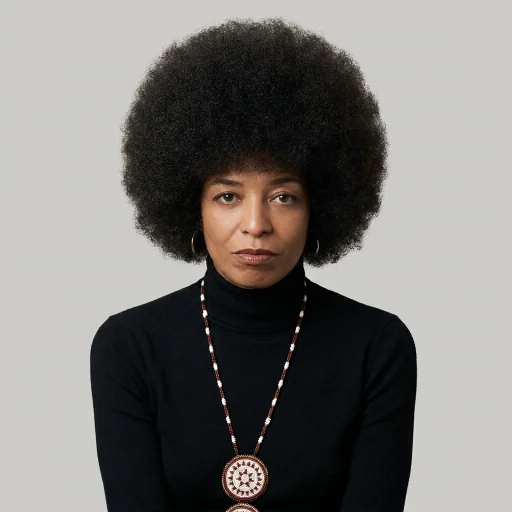
Angela Davis
Angela Davis is a renowned American philosopher and activist, a global icon in the fight against racism, sexism, and class exploitation within the prison system.
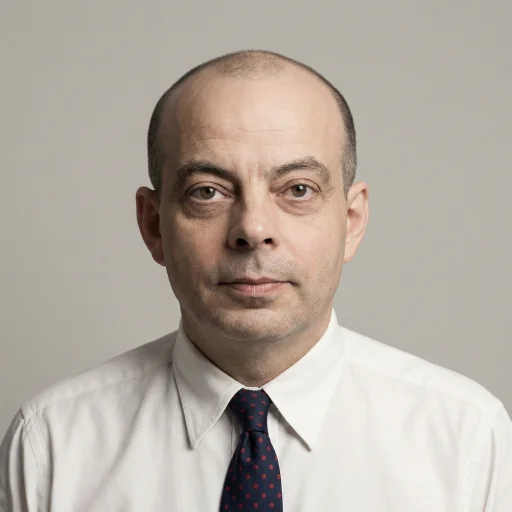
Antoine de Saint-Exupéry
French aviator and writer Antoine de Saint-Exupéry is the immortal author of 'The Little Prince,' exploring humanism, duty, and the essential things invisible to the eye.
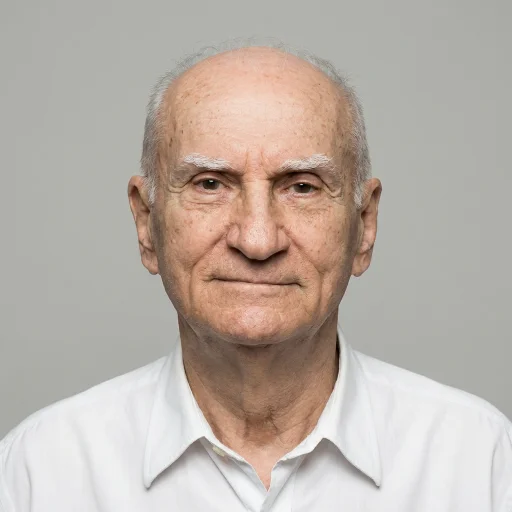
Ariano Suassuna
Ariano Suassuna was a titan of Brazilian literature and theater, creator of the Armorial Movement and a tireless defender of Northeastern cultural identity.
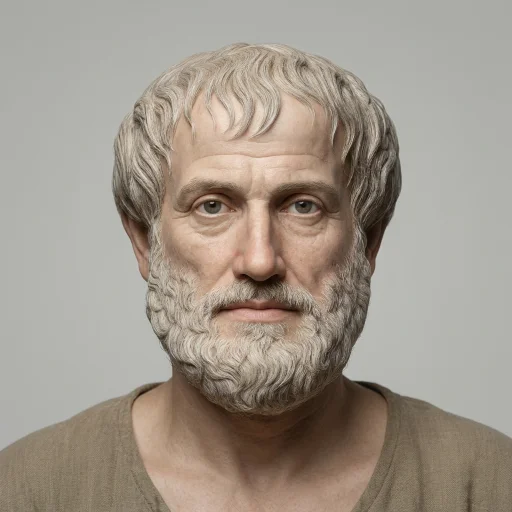
Aristóteles
Pivotal Greek philosopher whose works on logic, ethics, and science built the foundations of Western thought for millennia.
10 pensamentos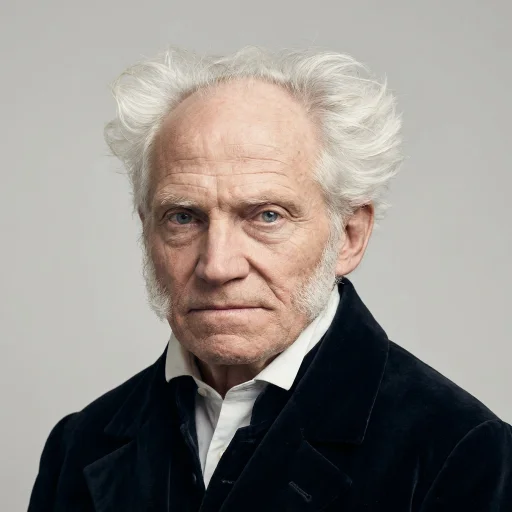
Arthur Schopenhauer
Arthur Schopenhauer was a key 19th-century German philosopher, famous for his pessimistic worldview and his theory of the Will as the driving force of human existence.
10 pensamentos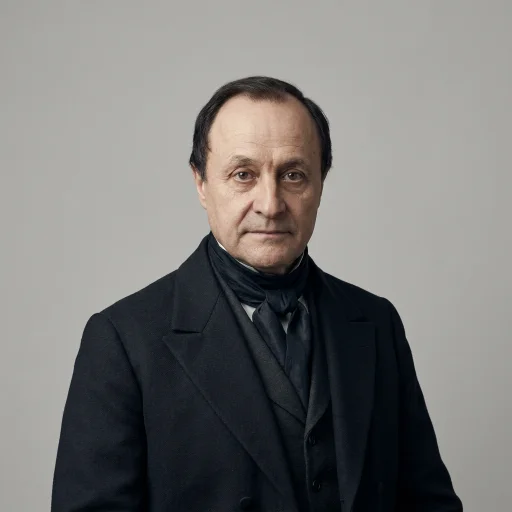
Auguste Comte
Auguste Comte was the French philosopher who founded Positivism and Sociology, laying the groundwork for the scientific study of social relations and human progress.
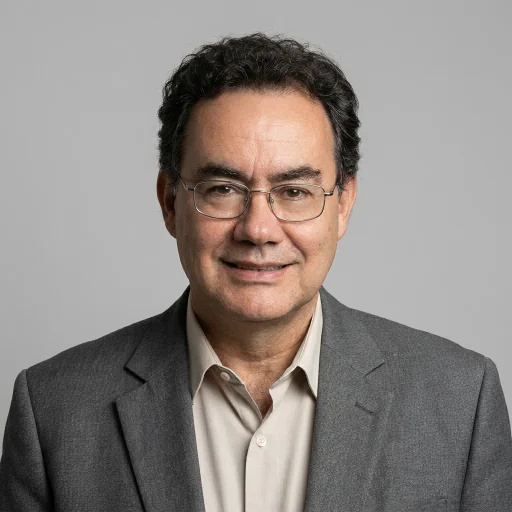
Augusto Cury
Augusto Cury is a renowned Brazilian psychiatrist and author, creator of the Multi-focal Intelligence Theory and one of the world's most-read self-help writers.
10 pensamentos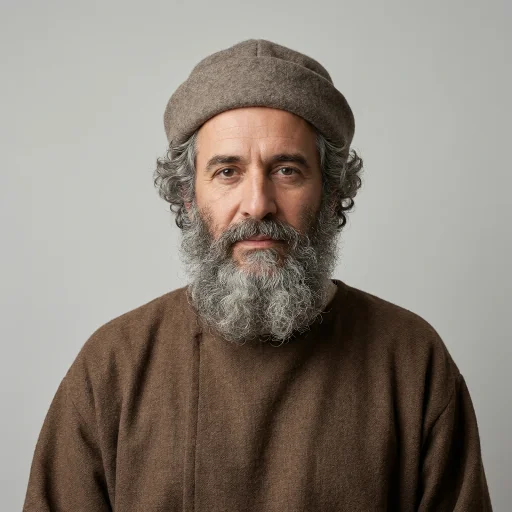
Averróis
The Andalusian philosopher who bridged Aristotle and Islam, Averroes is the 'Great Commentator' whose rationalist legacy shaped Western and Islamic thought.
7 pensamentos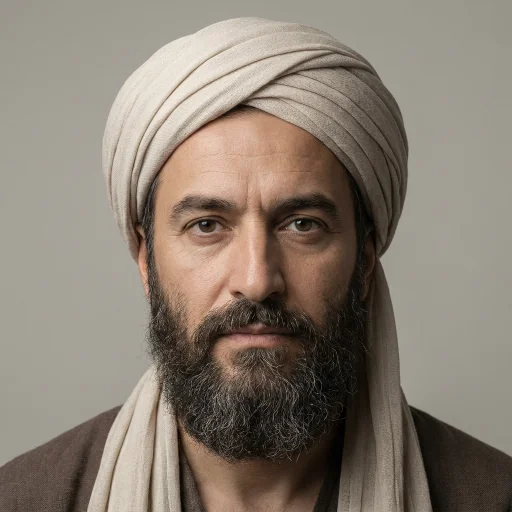
Avicena
Avicenna was the most influential Persian polymath of the Islamic Golden Age, author of 'The Canon of Medicine' and a pioneer in merging Aristotelian philosophy with theology.
7 pensamentosBarão de Itararé
Aparício Torelly, famously known as Barão de Itararé, was a Brazilian journalist, writer, and humorist who used wit as a weapon for political and social critique. He founded the newspaper 'A Manha', where he masterfully satirized the elite and the government landscape of Brazil during the first half of the 20th century. His work is defined by sharp-witted aphorisms and a critical perspective that questioned social injustices with irony and grace. He is considered one of the pioneers of socially engaged humorous journalism in the country, influencing generations of columnists and popular culture thinkers.
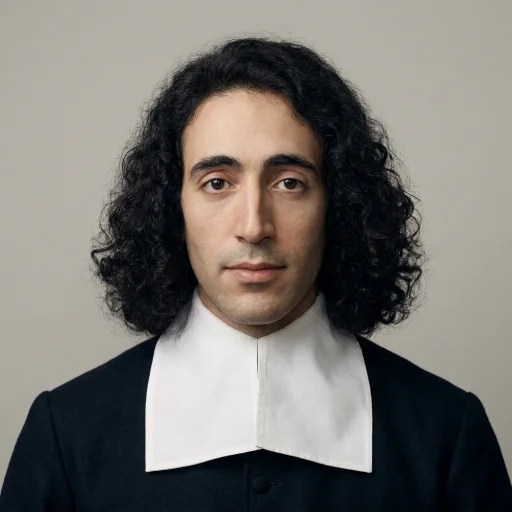
Baruch Spinoza
A rationalist philosopher who identified God with Nature, arguing that human freedom comes from knowing universal laws and mastering one's passions.
10 pensamentos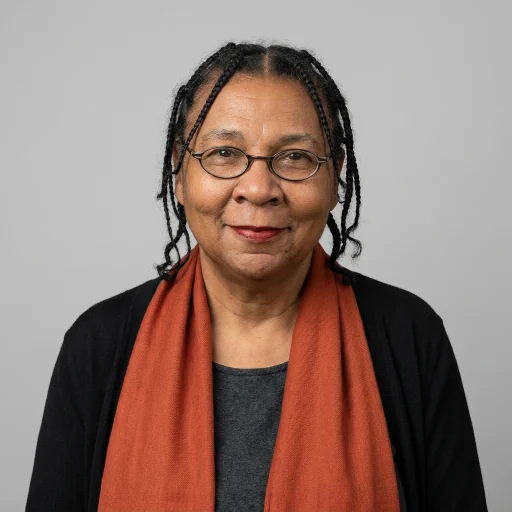
bell hooks
Black writer and activist whose work revolutionized the understanding of love, liberating education, and the intersectionality of race, gender, and class.
25 pensamentosBento de Espinosa
Baruch Spinoza, also known as Benedict de Spinoza, was one of the foremost rationalists of the 17th century. Born in Amsterdam into a Portuguese-Jewish family, he challenged the religious dogmas of his era, which eventually led to his excommunication from the local Jewish community. His magnum opus, 'Ethics', demonstrates reality through a geometric method, arguing that God and Nature are one and the same substance. He believed that human freedom arises from a rational understanding of the causes that determine our actions and emotions. Spinoza's philosophy deeply influenced the Enlightenment and modern metaphysics. His pantheist vision and his advocacy for democracy and religious tolerance remain pillars of secular thought and contemporary ethics.
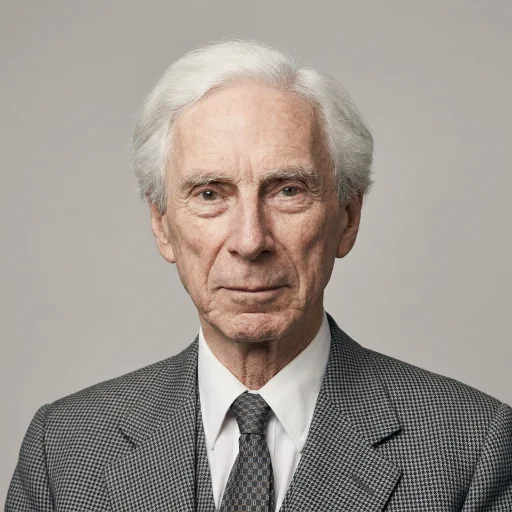
Bertrand Russell
Bertrand Russell was a brilliant British logician, philosopher, and Nobel laureate who revolutionized analytic philosophy and tirelessly advocated for pacifism.
15 pensamentos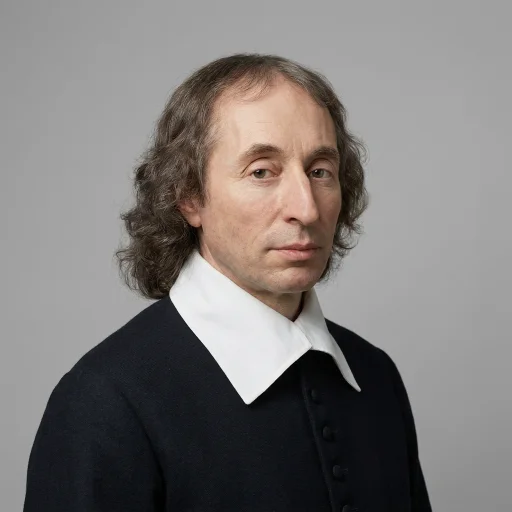
Blaise Pascal
Blaise Pascal was a French polymath whose contributions revolutionized mathematics, physics, and Christian philosophy, exploring the tension between logic and faith.
10 pensamentos
Boécio
A 6th-century Roman philosopher and statesman, Boethius bridged classical wisdom and Christian thought, authoring the highly influential 'The Consolation of Philosophy.'
10 pensamentos
Brené Brown
Brené Brown is a renowned researcher and author dedicated to the study of vulnerability, courage, and leadership, transforming how we understand human connection.
Bruno Bettelheim
Bruno Bettelheim was an Austrian-American child psychologist and writer, renowned for his work on autism and the significance of fairy tales in children's emotional development. His masterpiece, 'The Uses of Enchantment,' remains a landmark study in children's literature. A survivor of Nazi concentration camps, Bettelheim dedicated his career to understanding the impact of extreme trauma and the necessity of humanized therapeutic environments. Although some of his theories sparked controversy, his influence on pedagogy and developmental psychology remains highly relevant today.
Bruno Latour
Bruno Latour was an influential French sociologist and philosopher, renowned for his work in Science, Technology, and Society (STS) studies. He was a key developer of Actor-Network Theory (ANT), which suggests that human and non-human actors interact in a symmetrical way. In his later works, Latour focused on the global ecological crisis, exploring the concept of the Anthropocene and the necessity of a new 'politics of nature.' His thought challenges the traditional Western distinction between nature and culture.

Byung-Chul Han
South Korean philosopher and cultural critic based in Germany, world-renowned for his analysis of the Burnout Society and the impact of technology on the human psyche.
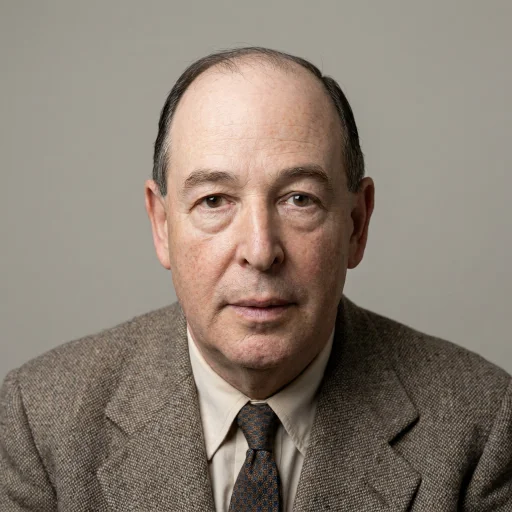
C. S. Lewis
Famous British author and scholar known for The Chronicles of Narnia and his Christian insights. Lewis masterfully explored the intersection of reason, imagination, and faith.
30 pensamentos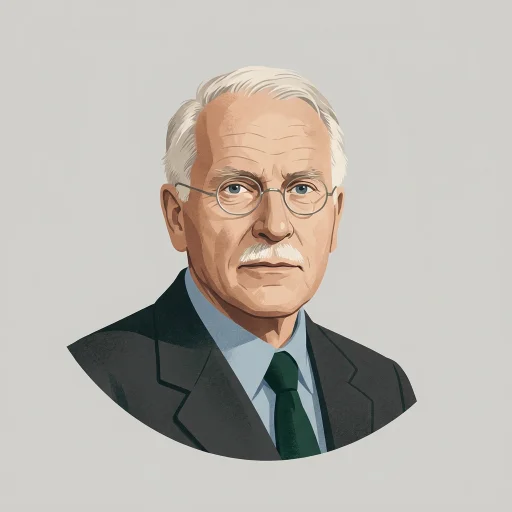
Carl Jung
Swiss psychiatrist who revolutionized psychoanalysis by founding analytical psychology, exploring archetypes and the collective unconscious in human development.
14 pensamentos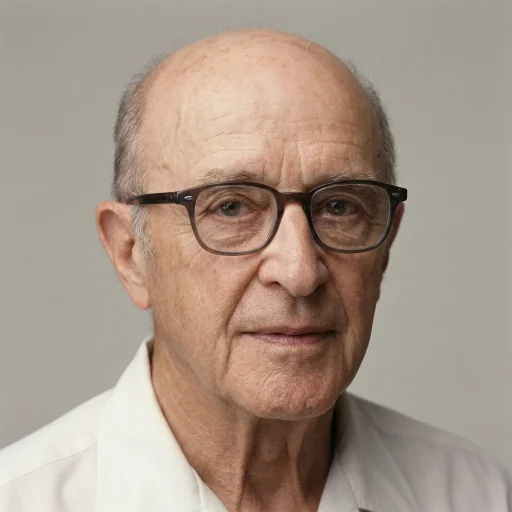
Carl Rogers
A pioneer of humanistic psychology, Carl Rogers revolutionized psychotherapy with the Person-Centered Approach, emphasizing empathy and unconditional positive regard.
10 pensamentos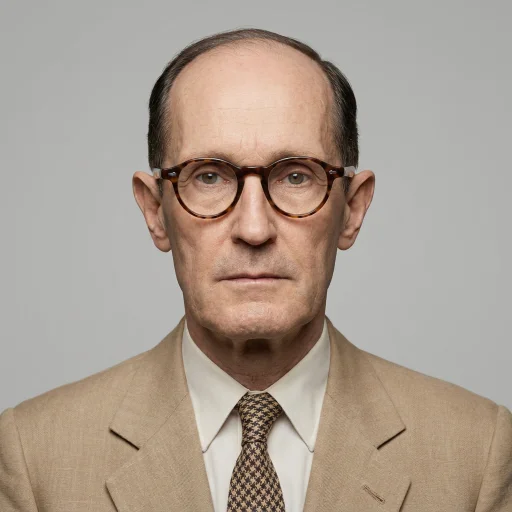
Carlos Drummond de Andrade
A titan of Brazilian literature, Carlos Drummond de Andrade revolutionized Modernist poetry with his sharp sensitivity toward daily life, love, and the existential angst of the individual.
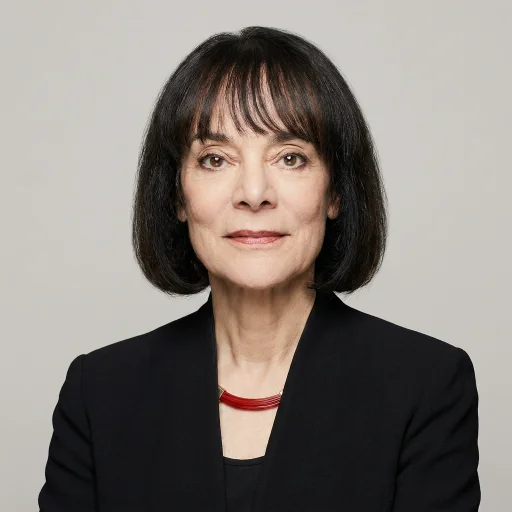
Carol Dweck
Carol Dweck is a renowned Stanford psychologist and creator of the growth mindset concept, which revolutionized our understanding of motivation, success, and effort.
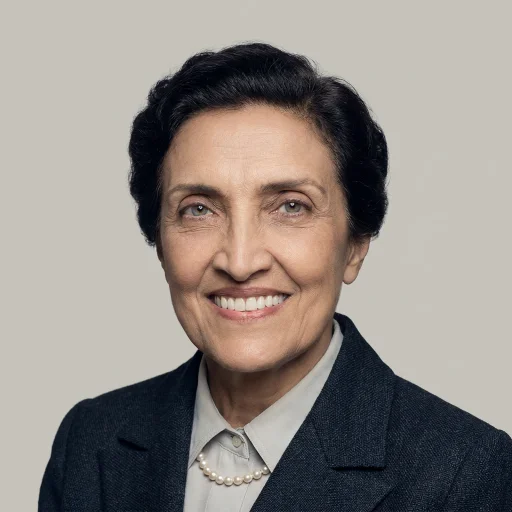
Cecília Meireles
A Modernist icon, Cecília Meireles blended lyricism and spirituality in a body of work exploring transience, time, and human sensitivity with unique technical mastery.
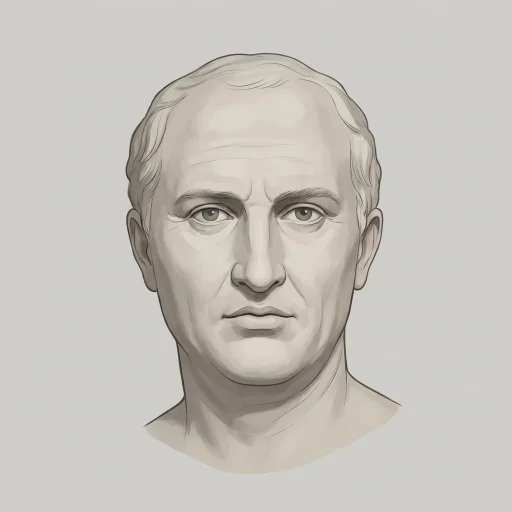
Cícero
Marcus Tullius Cicero was Ancient Rome's greatest orator, whose treatises on ethics, rhetoric, and politics shaped Western thought and the Humanist tradition.
20 pensamentos
Clarice Lispector
Clarice Lispector was one of the 20th century's most iconic writers, renowned for her introspective prose and stream-of-consciousness style that revolutionized literature.
20 pensamentos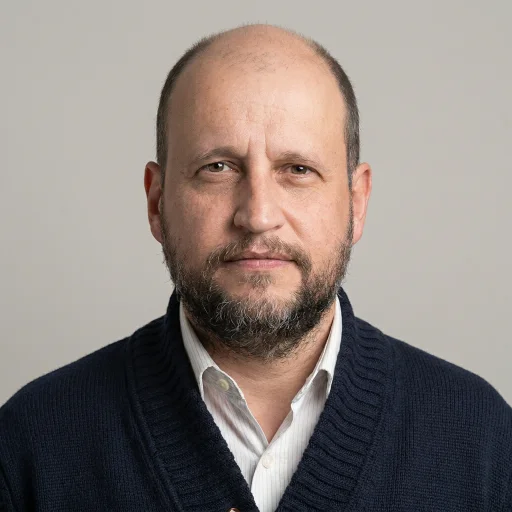
Clóvis de Barros Filho
A renowned professor, lawyer, and journalist, Clóvis de Barros Filho is one of Brazil's leading contemporary thinkers, specializing in ethics, happiness, and the art of living well.
10 pensamentos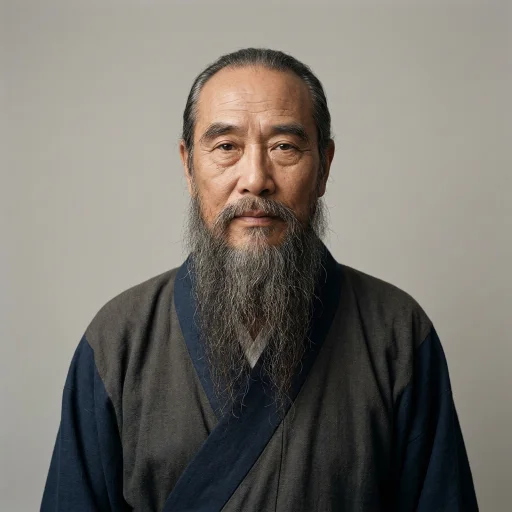
Confúcio
Ancient Chinese philosopher and master of ethics, Confucius established the values of social harmony, filial piety, and moral righteousness that shaped East Asian culture for millennia.
10 pensamentosCornel West
Cornel West is an American philosopher, political activist, and social critic, renowned for grounding his analysis in the traditions of pragmatism, democratic socialism, and the Black prophetic tradition. He is a powerful voice against imperialism, racism, and economic inequality. Author of classics such as 'Race Matters', West blends academic scholarship with a performative oratory style reminiscent of the Black church. He remains a tireless public figure in the defense of social justice and global human dignity.
Dalai Lama
Tenzin Gyatso, the 14th Dalai Lama, is the spiritual leader of Tibet and a global peace icon, awarded the Nobel Prize for his tireless advocacy of non-violence and universal compassion.
30 pensamentos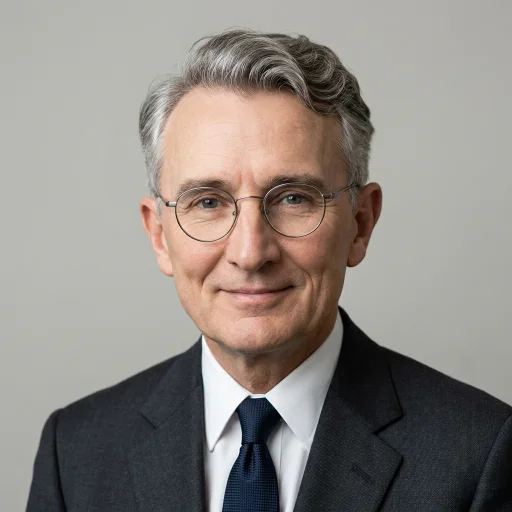
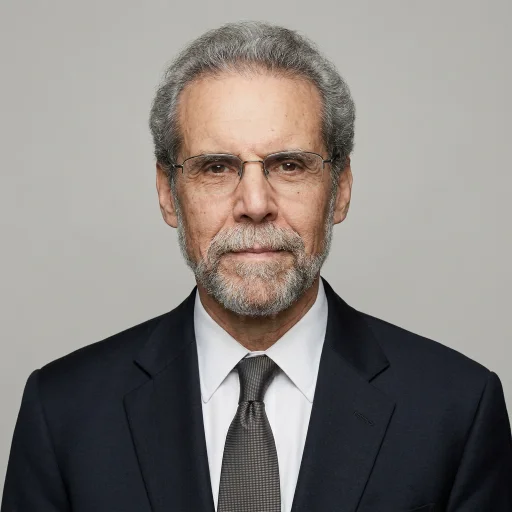
Dale Carnegie
American writer and lecturer who pioneered personal development, Dale Carnegie revolutionized interpersonal communication, leadership, and sales techniques in the 20th century.
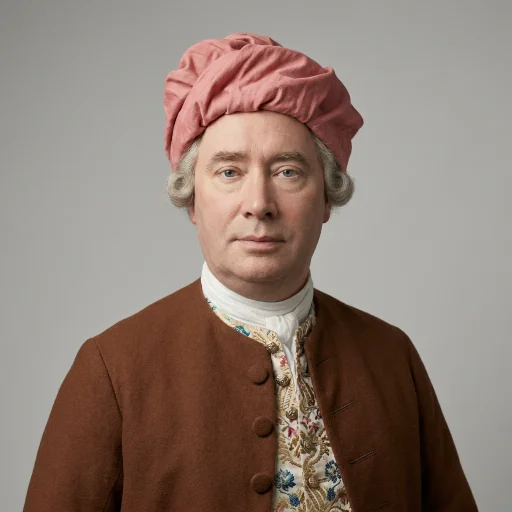
Daniel Goleman
American psychologist and pioneer in the study of emotional intelligence, transforming our understanding of how self-awareness and empathy determine personal and professional success.
David Hume
David Hume was a towering Scottish philosopher, historian, and essayist, renowned for his radical empiricism and skepticism regarding human nature and knowledge.
6 pensamentos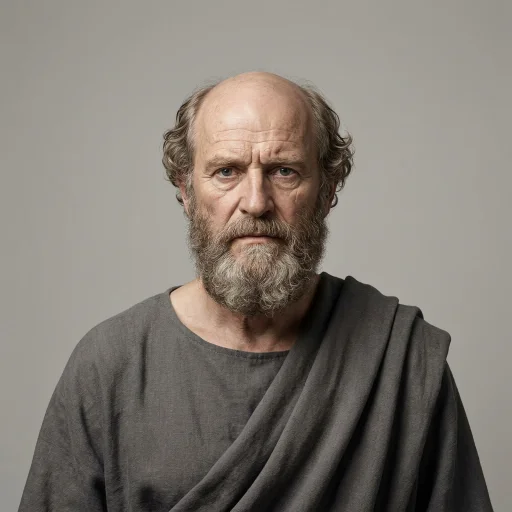
Demócrito
Pioneering Pre-Socratic Greek philosopher of atomic theory, Democritus argued that the universe is made of tiny indivisible particles and championed the pursuit of joy through moderation.
10 pensamentos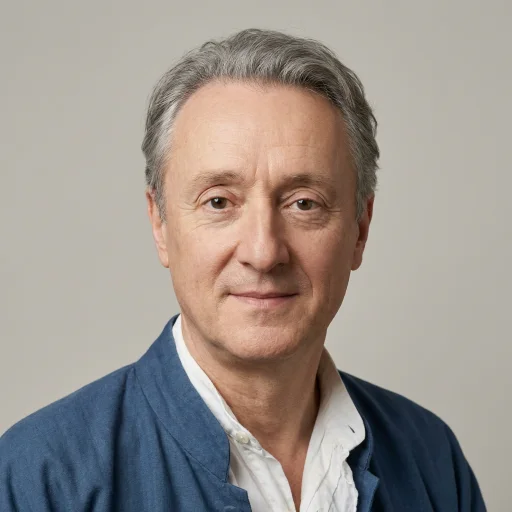
Denis Diderot
Enlightenment philosopher and the mind behind the Encyclopédie, Denis Diderot was a fierce advocate for universal knowledge, reason, and freedom of thought against oppression.
7 pensamentos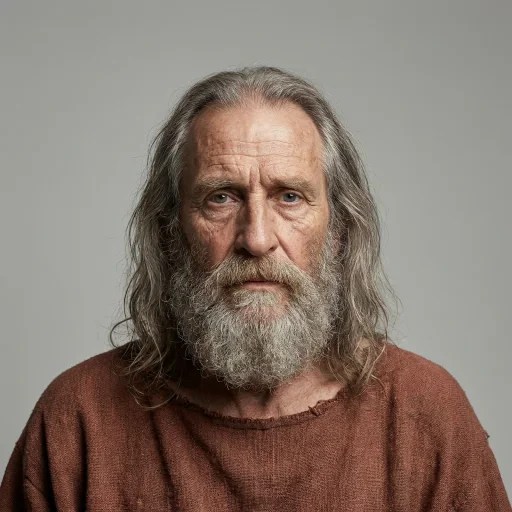
Diógenes de Sinope
Diogenes of Sinope was the primary exponent of classical Cynicism, challenging Greek social norms in search of a life guided by nature, virtue, and total material independence.
10 pensamentosDjamila Ribeiro
Djamila Ribeiro is a Brazilian philosopher, Black feminist, and academic, recognized as one of the most influential voices in contemporary Brazilian thought. Her work focuses on race, gender, and the concept of 'locus of speech' (lugar de fala), which is essential for understanding social dynamics. A Philosophy graduate from UNIFESP, she coordinates the Plural Feminisms collection and is the author of best-sellers such as 'Pequeno Manual Antirracista' (Short Anti-Racist Guide). Her work transcends academia, reaching mainstream media and influencing political and social activism.
Donna Haraway
Donna Haraway is an American philosopher and biologist, a pioneer in cyberculture and technoscientific feminism. Her 'Cyborg Manifesto' challenged the traditional boundaries between human and machine, nature and culture, and man and woman. Haraway proposes the concept of 'situated knowledge' and argues that science is not neutral, but shaped by social and political contexts. Currently, her work focuses on multispecies justice and the need to create kinship bonds beyond human boundaries in times of environmental crisis.
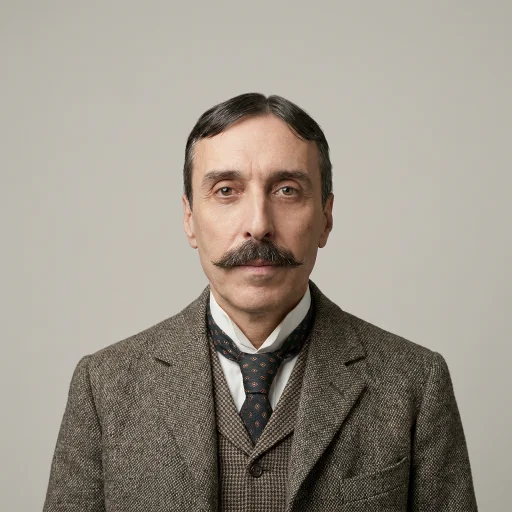
Eça de Queirós
Master of Portuguese Realism, Eça de Queirós modernized literature with his sharp wit and biting critiques of bourgeois hypocrisy and the institutions of his time.
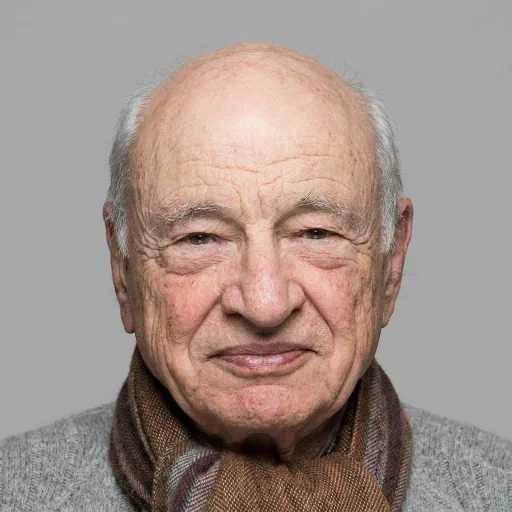
Edgar Morin
Renowned French philosopher and sociologist Edgar Morin is the father of Complex Thought, advocating for educational reform and interdisciplinary integration to understand our world.
Edith Stein
A German phenomenologist of Jewish origin, Edith Stein was Edmund Husserl's assistant and a brilliant mind in the analysis of empathy. Her search for truth led her from phenomenology to a conversion to Catholicism, eventually becoming a Discalced Carmelite nun. Stein bridged the gap between modern philosophy and medieval Scholasticism, focusing on the structure of the human person. A victim of the Holocaust at Auschwitz, she was later canonized as Saint Teresa Benedicta of the Cross, serving as a symbol of the dialogue between faith and reason.
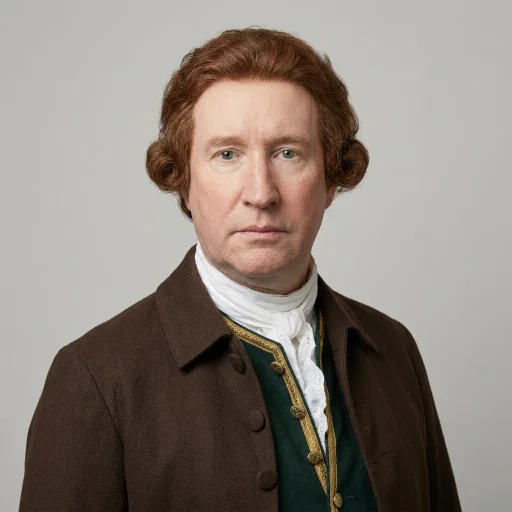
Edmund Burke
Irish statesman and philosopher Edmund Burke is considered the father of modern conservatism, advocating for prudence, tradition, and gradual reform over revolutionary upheaval.
3 pensamentosEdward Said
Edward Said was a Palestinian-American literary critic and intellectual, widely recognized as the founder of postcolonial studies. His seminal work, 'Orientalism,' analyzes how the West constructed distorted and stereotypical perceptions of the Arab world and the East to justify imperialism. In addition to his academic tenure at Columbia University, Said was a staunch advocate for Palestinian rights and a critic of the intersection between culture and power. His erudition also extended to classical music, where he sought to build bridges for dialogue between different cultures.
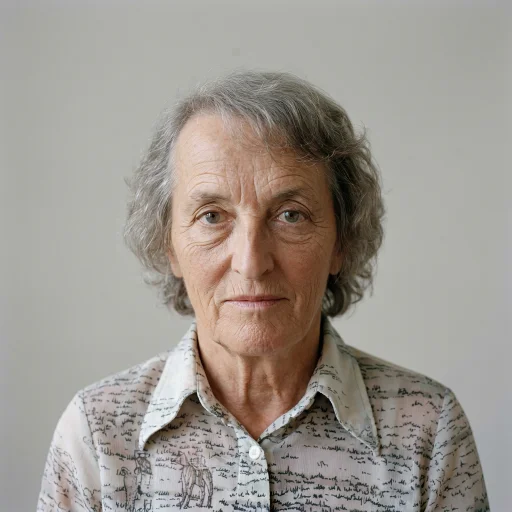
Elisabeth Kübler-Ross
Pioneering psychiatrist who revolutionized thanatology and modern psychology by creating the five stages of grief model, transforming the humanized approach to palliative care.
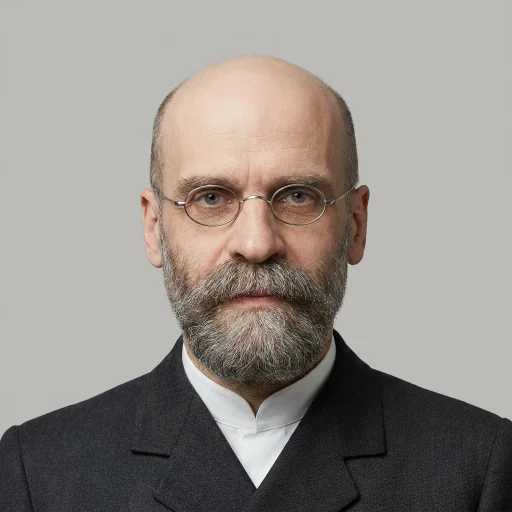
Émile Durkheim
Émile Durkheim was a pillar of modern sociology, defining social facts and analyzing how institutions ensure social cohesion through solidarity.

Epicteto
A cornerstone of Stoic philosophy, Epictetus taught that true freedom lies in focusing exclusively on what we can control: our thoughts, judgments, and moral actions.
10 pensamentos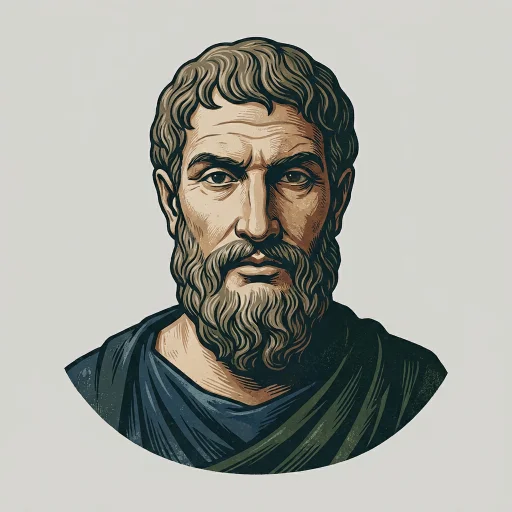
Epicuro
Epicurus was a Greek philosopher who founded Epicureanism, teaching that happiness is found through simple pleasures, friendship, and freedom from the fear of death.
15 pensamentosEpicuro de Samos
Epicurus was an Ancient Greek philosopher who founded the Garden, a school of thought focused on the pursuit of happiness through ataraxia, or peace of mind. Contrary to popular belief, his philosophy did not advocate for unrestrained pleasure, but rather the absence of physical pain and mental disturbance. He argued that friendship, simplicity, and knowledge were the pillars of a fulfilling life. For Epicurus, the fear of death and of the gods were the greatest obstacles to human tranquility, proposing an atomistic and materialistic view of the universe.
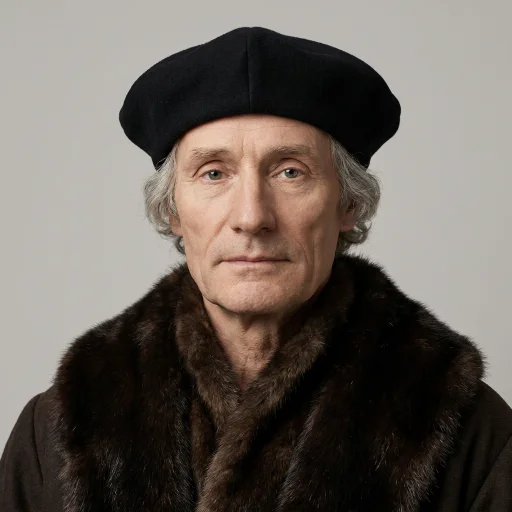
Erasmo de Roterdã
A Dutch theologian and philosopher, Desiderius Erasmus was the greatest Renaissance humanist, bridging classical wisdom and moral reform through satire and intellectual dialogue.
15 pensamentos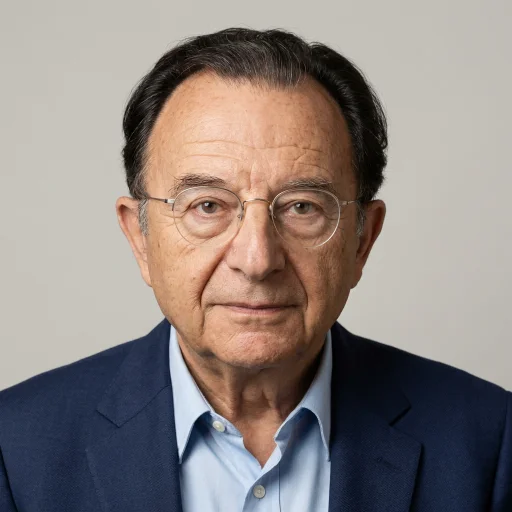
Erich Fromm
Humanistic psychoanalyst and social philosopher Erich Fromm explored the link between individual psychology and socioeconomic structures, authoring the classic 'The Art of Loving'.
Fatema Mernissi
Fatema Mernissi was a Moroccan sociologist and writer, recognized as one of the most prominent voices of Islamic feminism. She dedicated her career to reconciling Islamic principles with women’s rights, challenging patriarchal interpretations of sacred texts and Muslim history. In her works, Mernissi explored the role of women in the harem and public life, advocating for democracy and gender equality as values intrinsic to Islamic tradition. Her work was instrumental in debunking Western prejudices regarding women in the Arab world.
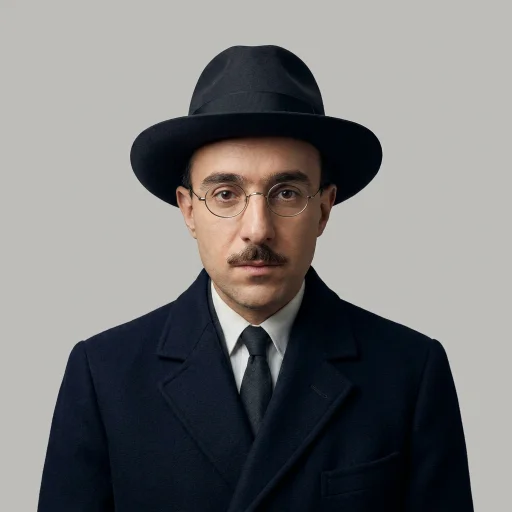
Fernando Pessoa
A Modernist icon, Fernando Pessoa revolutionized world literature through his heteronyms, exploring the fragmentation of identity and the complex self in immortal works.
29 pensamentos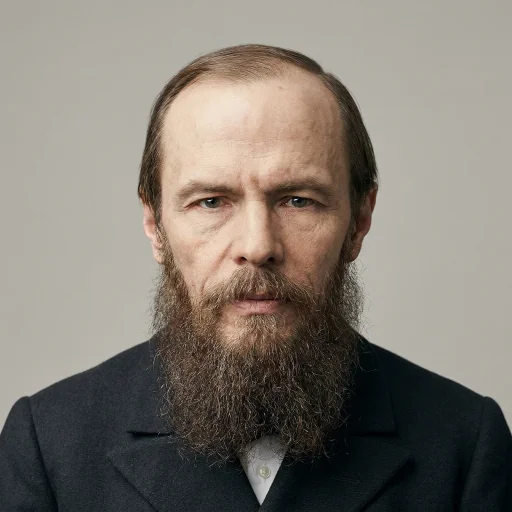
Fiódor Dostoiévski
Fyodor Dostoevsky was a titan of Russian literature whose works explore the depths of the human psyche and the moral, religious, and social dilemmas of modernity.
Francis Bacon
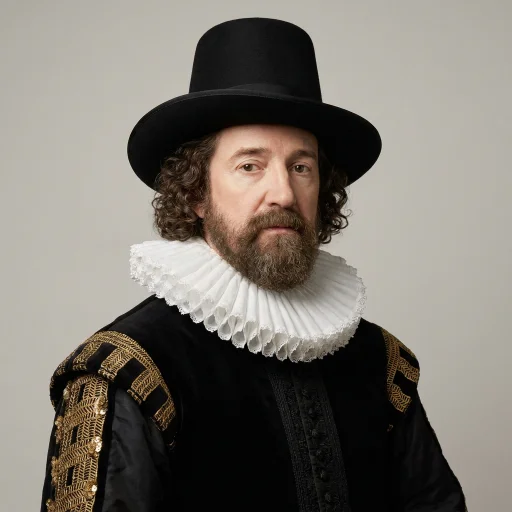
Francis Bacon was a pivotal English philosopher and statesman of the Scientific Revolution, pioneering the inductive method and modern empiricism.
30 pensamentos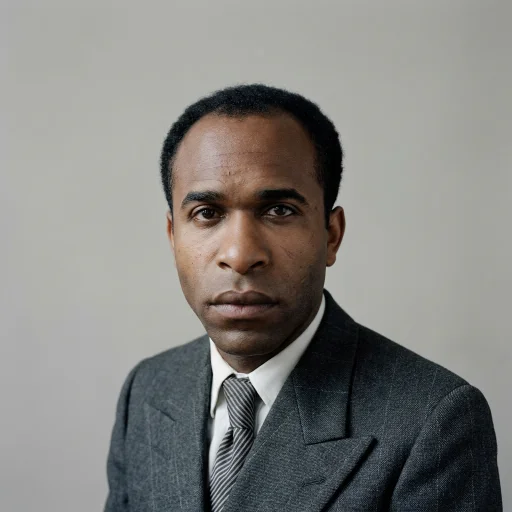
Frantz Fanon
Psychiatrist and revolutionary philosopher Frantz Fanon is a key post-colonial theorist who analyzed the psychological effects of colonization and the path to liberation.
Franz Kafka
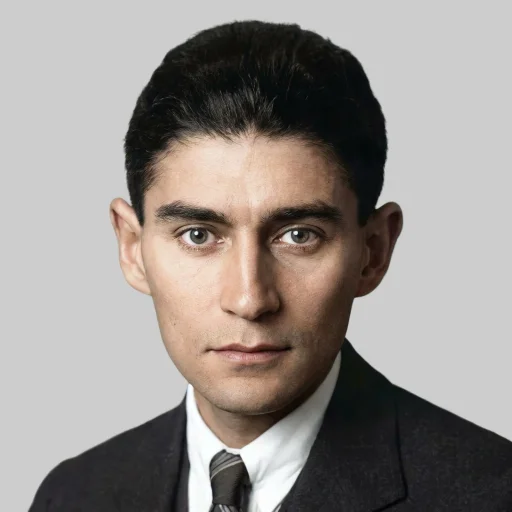
A German-speaking Czech writer, Franz Kafka is a pillar of modern literature, famous for exploring the absurd, existential angst, and the labyrinthine structures of bureaucracy.
Frida Kahlo
Magdalena Carmen Frida Kahlo y Calderón was a Mexican painter whose work transcended the canvas to become a symbol of resilience and identity. Her paintings, often self-portraits, explore themes such as pain, the body, nature, and the female experience, blending realism with surrealist elements. Beyond her art, Frida was an active political thinker and advocate for Mexican indigenous culture. Her life, marked by physical recovery and intense passions, reflects deep thoughts on self-identity and cultural resistance in the face of oppression and suffering.
Fridtjof Nansen
A Norwegian explorer, scientist, and diplomat, Fridtjof Nansen was a humanist thinker of action. Beyond his fundamental contributions to oceanography and Arctic exploration, he dedicated his life to the cause of refugees following World War I. As High Commissioner for the League of Nations, he created the 'Nansen Passport' for stateless people, which earned him the Nobel Peace Prize in 1922. His philosophy of life combined physical courage with a profound ethical responsibility toward humanity.
Friedrich Engels
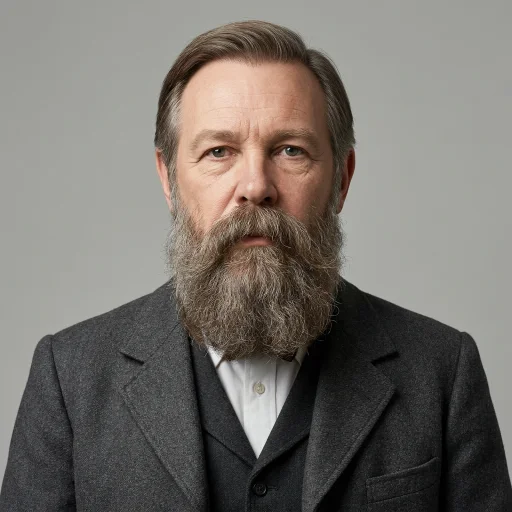
Revolutionary theorist and German philosopher, co-founder of scientific socialism and Karl Marx's primary collaborator in the critique of capitalism and class struggle.
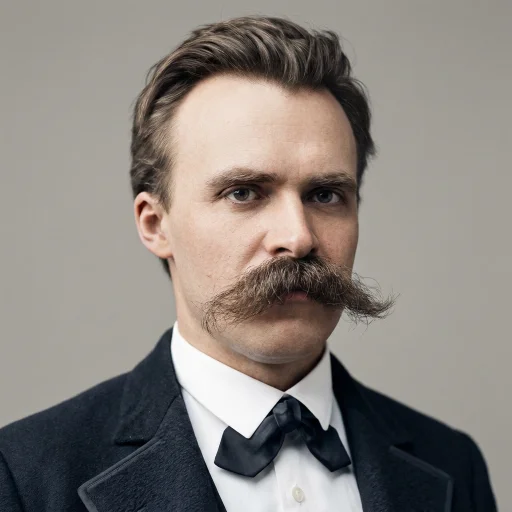
Friedrich Nietzsche
Friedrich Nietzsche was a seminal 19th-century German philosopher, famous for his critique of Christian morality, nihilism, and the concept of the Übermensch.
10 pensamentosGaston Bachelard
French philosopher and poet, Gaston Bachelard was renowned for his dual contributions to epistemology and the analysis of poetic imagination. He introduced the concept of the 'epistemological obstacle,' essential for understanding how science overcomes mental biases. Simultaneously, he dedicated himself to the study of the four elements (water, fire, air, and earth) and how they inhabit the human psyche. Bachelard argued that reason and imagination are complementary, influencing both scientists and literary critics alike.
Gayatri Spivak
Gayatri Chakravorty Spivak is an Indian scholar and professor at Columbia University, widely recognized as one of the founders of postcolonial studies. Her seminal essay 'Can the Subaltern Speak?' is a cornerstone for understanding the power dynamics and the silencing of marginalized populations. Spivak employs deconstructionism to analyze how Western discourse often excludes the voices of those outside the hegemonic center. Her intellectual work bridges philosophy, literary criticism, and dedicated activism for human rights and rural education in India.
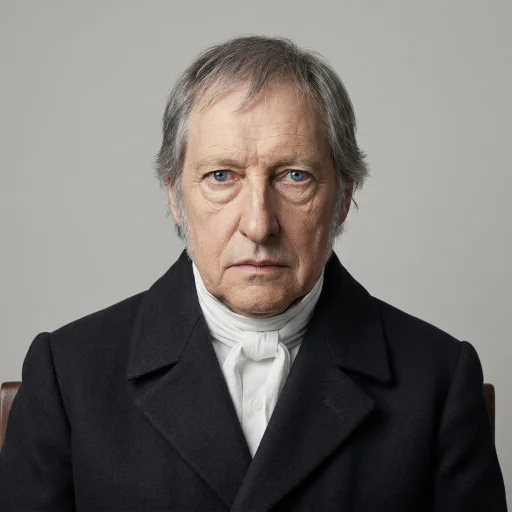
Georg Wilhelm Friedrich Hegel
Georg Hegel was a titan of German Idealism, renowned for his dialectical method and for conceptualizing history as the inevitable progress of consciousness toward absolute freedom.
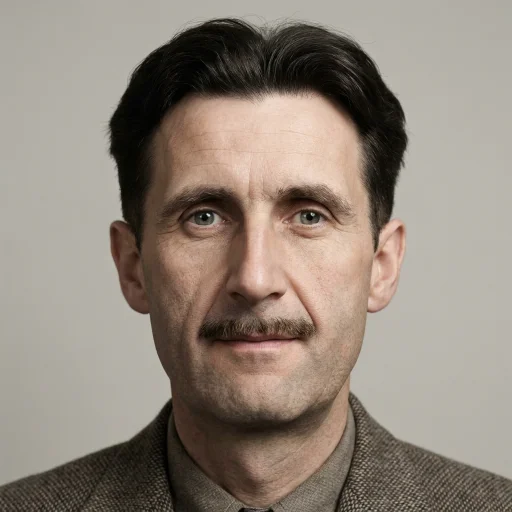
George Orwell
British writer and journalist George Orwell authored iconic works warning against the dangers of totalitarianism and government surveillance in modern society.
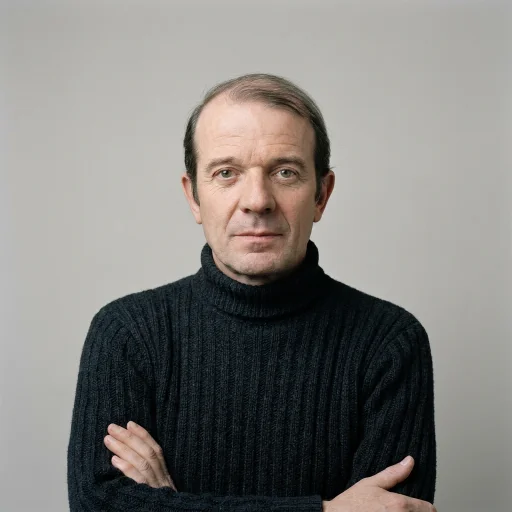
Gilles Deleuze
French philosopher who revolutionized contemporary thought through the ontology of difference and the analysis of desiring-machines in postmodernity.
Giorgio Agamben
Giorgio Agamben is one of the most prominent contemporary Italian philosophers, renowned for his investigations into biopolitics and the state of exception. His seminal book series, 'Homo Sacer,' analyzes how sovereign power defines human life in both biological and political terms. Deeply influenced by Heidegger and Benjamin, Agamben explores themes such as time, images, and language, always tracing the roots of Western law and politics. He remains a critical voice against modern forms of social control and state security.
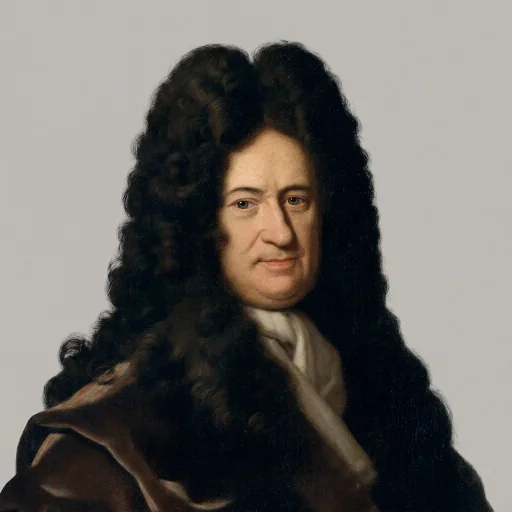
Gottfried Wilhelm Leibniz
German polymath and one of history's greatest geniuses, Leibniz co-invented calculus and proposed that we live in the 'best of all possible worlds.'
9 pensamentosGottlob Frege
Friedrich Ludwig Gottlob Frege was a German mathematician and philosopher, widely regarded as the father of modern analytic philosophy. He developed contemporary mathematical logic and made seminal contributions to the philosophy of language, notably distinguishing sense from reference in his most influential work. His work was essential for the development of computer science and theoretical linguistics. Although his logicist project was challenged by Russell's paradox, the precision of his methods permanently changed the way philosophy and logic are studied.
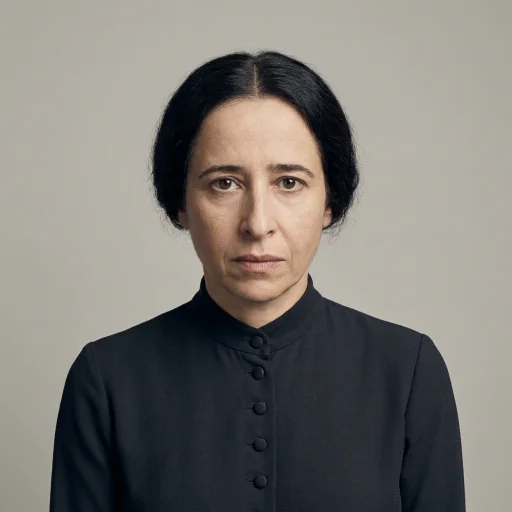
Hannah Arendt
Hannah Arendt was one of the 20th century's most influential political theorists, renowned for her profound analyses of totalitarianism, power, and the human condition.
20 pensamentosHans Jonas
A German-born philosopher, Hans Jonas is recognized as the father of the ethics of technological responsibility. In his seminal work, 'The Imperative of Responsibility', he argues that humanity must act in a way that does not compromise the future of life on Earth. His thought is fundamental to modern bioethics and philosophical environmentalism. Jonas warned of the destructive power of modern technology and the need for a new categorical imperative that includes the preservation of nature as a moral duty.
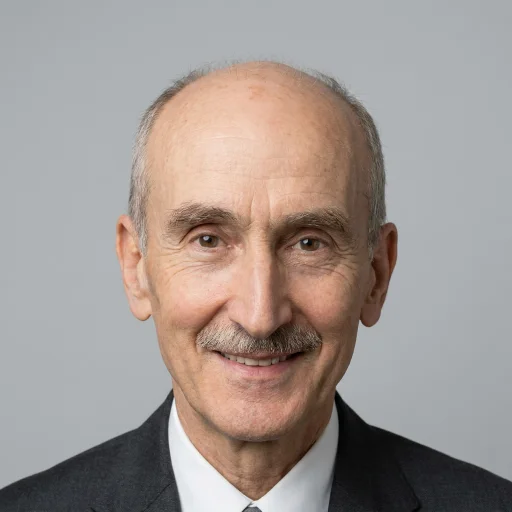
Henri Bergson
Henri Bergson was a Nobel Prize-winning French philosopher famous for his theories on duration, intuition, and the vital impetus, revolutionizing our view of time and consciousness.
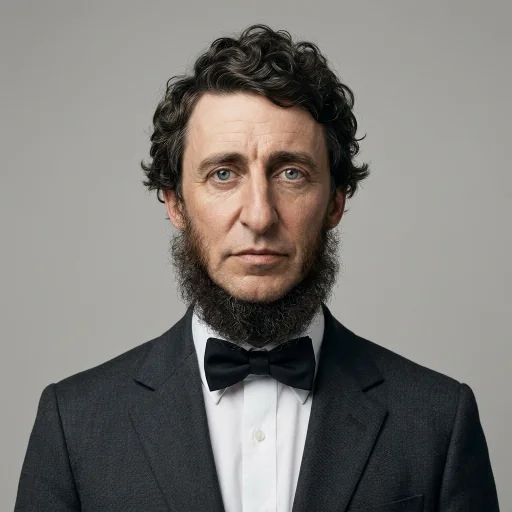
Henry David Thoreau
An American Transcendentalist writer and philosopher, Henry David Thoreau was a fierce advocate for simple living in nature, individual conscience, and non-violent civil resistance.
10 pensamentos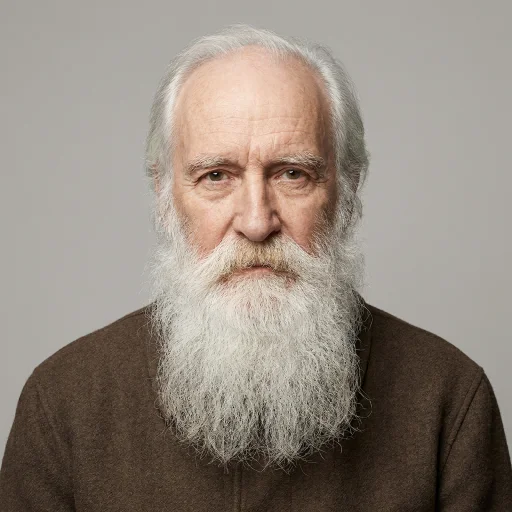
Heráclito
Heraclitus of Ephesus was the philosopher of becoming, famous for the thesis that everything flows and that the struggle between opposites constitutes the hidden harmony of the universe.
15 pensamentosHerbert Marcuse
Herbert Marcuse was a German-American sociologist and philosopher, a prominent member of the Frankfurt School. His ideas were foundational for the 1960s student movements, earning him the title of 'Father of the New Left.' In works like 'One-Dimensional Man,' Marcuse critiqued advanced industrial society for using technology and consumerism to suppress revolutionary potential and the true needs of individuals. He advocated for the 'Great Refusal'—the rejection of oppressive lifestyles and the pursuit of an erotic and free society, where work and culture serve human liberation instead of alienation.
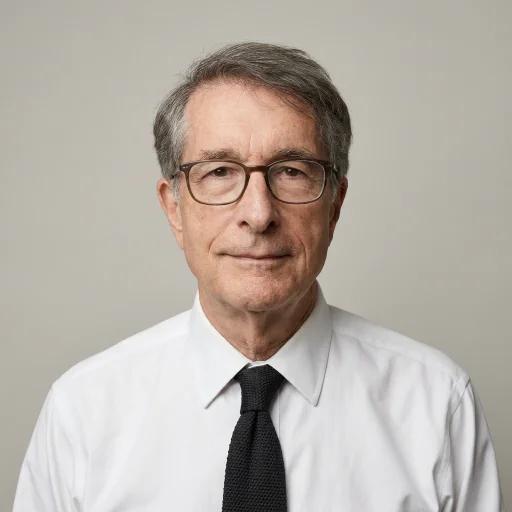
Howard Gardner
Harvard psychologist and creator of the Theory of Multiple Intelligences, Howard Gardner revolutionized education by proposing that the human mind has several independent cognitive capacities.
Hypatia de Alexandria
Hypatia of Alexandria was a Neoplatonist philosopher, astronomer, and mathematician in Roman Egypt. Widely recognized as the first woman mathematician with detailed historical records, she taught philosophy and astronomy in Alexandria, attracting students from across the Roman Empire. Her tragic death in 415 AD at the hands of a fanatic mob became a symbol of the transition between classical pagan thought and Christian dominance. Today, she is remembered as a martyr for science and reason against religious dogmatism.
Ibn Khaldun
Ibn Khaldun was a 14th-century Arab polymath, widely regarded as the father of modern historiography, sociology, and economics. Born in Tunisia, he held several prominent political positions across North Africa and Muslim Spain. His magnum opus, the 'Muqaddimah' (Introduction to Universal History), introduced the pivotal concept of 'Asabiyyah' or social cohesion, explaining the rise and fall of dynasties and civilizations through social and geographical lenses. Khaldun pioneered the empirical analysis of society long before the emergence of social sciences in the West, offering profound insights into the nature of civilization and political economy.
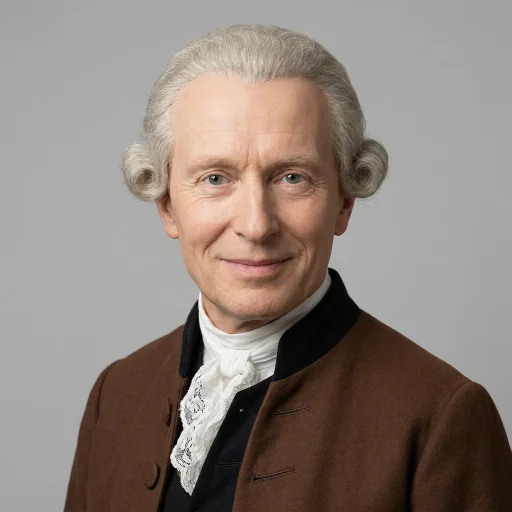
Immanuel Kant
Immanuel Kant was the Enlightenment philosopher who revolutionized metaphysics and ethics through criticism, setting the limits of reason and the basis of modern morality.
10 pensamentos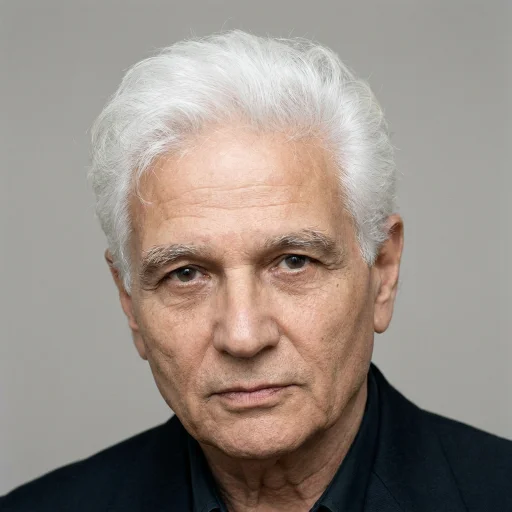
Jacques Derrida
French-Algerian philosopher and the creator of deconstruction, Jacques Derrida revolutionized how we understand language, subjectivity, and the interpretation of texts.
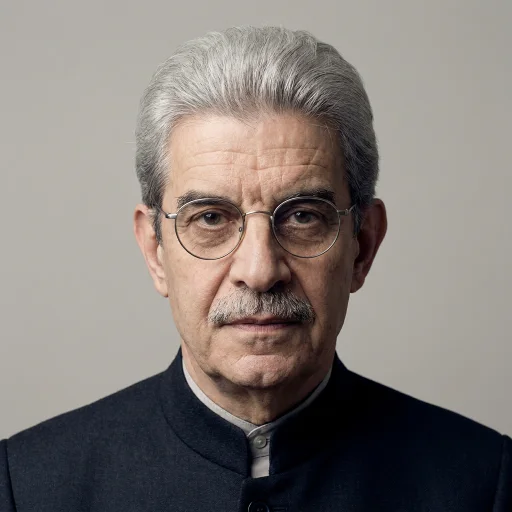
Jacques Lacan
Revolutionary French psychoanalyst who structured the unconscious as a language and transformed the modern understanding of desire and the subject.
Jean Baudrillard
Jean Baudrillard was a French sociologist and philosopher who became one of the leading theorists of postmodernity. He is renowned for introducing concepts such as 'simulacra' and 'hyperreality,' arguing that contemporary society has replaced all reality with symbols and signs. In his analyses, Baudrillard suggests that we live in a world where the image of a thing is more real than the thing itself. His critique of consumerism and electronic media has deeply influenced popular culture, visual arts, and communication theory in the 21st century.
Jean-François Lyotard
French philosopher who was pivotal in defining postmodernism in the late 20th century. His most famous work, 'The Postmodern Condition,' analyzes how the grand narratives of history lost their credibility in the technological age. Lyotard argued that contemporary society is defined by a plurality of language games and the fragmentation of knowledge. He criticized the pursuit of universal, absolute truths, instead valuing difference and justice within social relations.
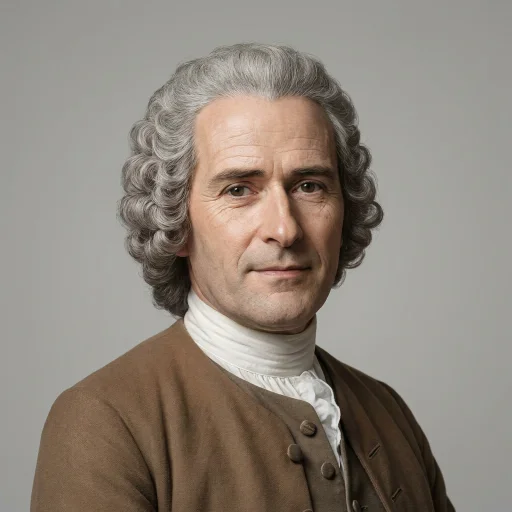
Jean-Jacques Rousseau
Genevan Enlightenment philosopher whose ideas on the social contract, human goodness, and education transformed modern politics and inspired the Romantic movement.
10 pensamentos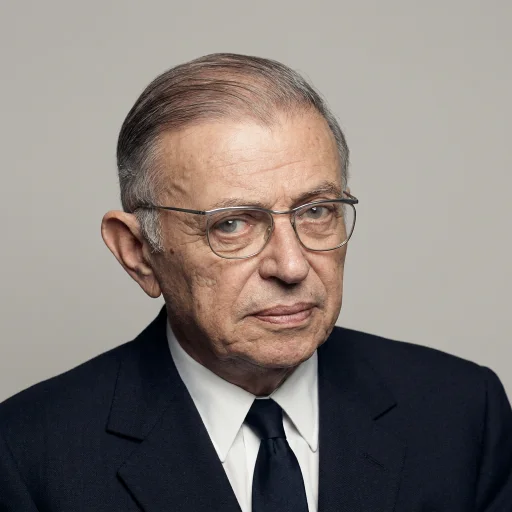
Jean-Paul Sartre
An icon of French existentialism, Jean-Paul Sartre revolutionized philosophy by declaring that existence precedes essence and that humans are 'condemned to be free.'
15 pensamentos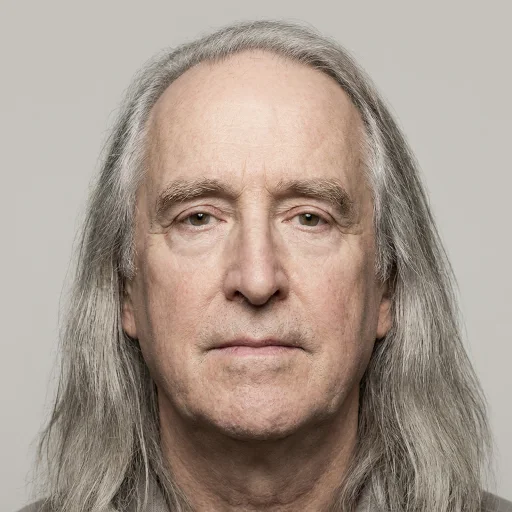
Jeremy Bentham
Jeremy Bentham was an English philosopher and jurist, known as the father of modern utilitarianism, advocating for ethics based on the greatest happiness for the greatest number.
1 pensamento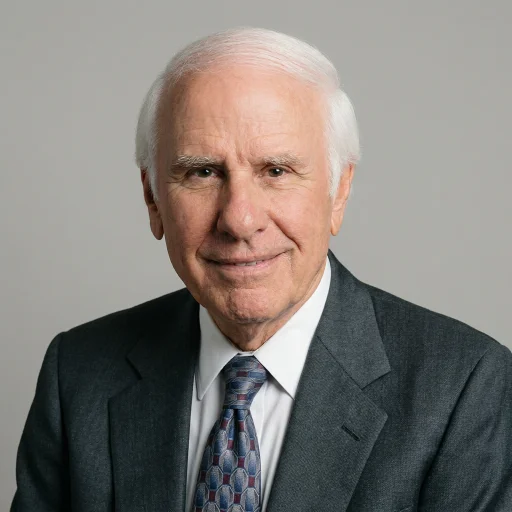
Jim Rohn
Jim Rohn was an influential American entrepreneur and motivational speaker, a master of personal development and success strategist who inspired generations of global leaders.
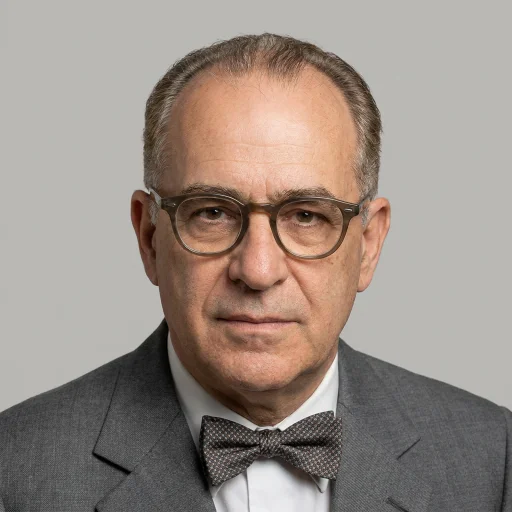
João Guimarães Rosa
A master of Brazilian literature, Guimarães Rosa revolutionized language by exploring the metaphysics of the backlands and the human soul in classics like The Devil to Pay in the Backlands.
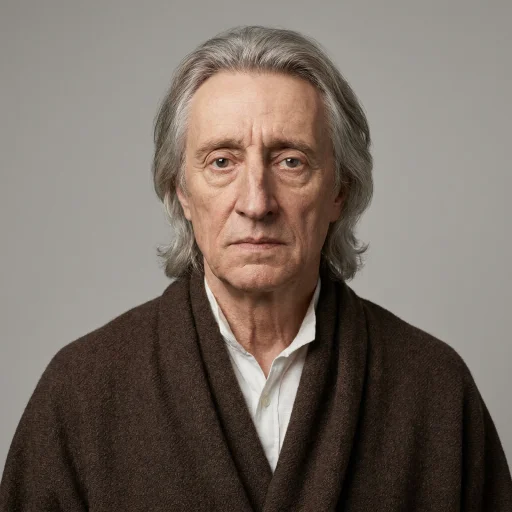
John Locke
A cornerstone of Enlightenment thought, John Locke is the father of Classical Liberalism and a leading empiricist who argued that all knowledge stems from sensory experience.
10 pensamentos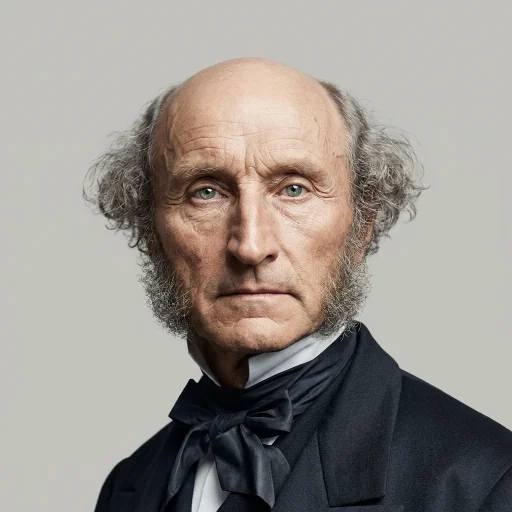
John Stuart Mill
John Stuart Mill was an influential 19th-century British philosopher and economist, a pioneer in advocating for individual liberty, ethical utilitarianism, and equal rights for women.
Jorge Luis Borges
Jorge Luis Borges was an Argentine writer, essayist, and librarian whose works are milestones in speculative fiction and metaphysical philosophy. His short stories, such as 'The Aleph' and 'Fictions', explore labyrinths, mirrors, infinite libraries, and the concept of time. While he never wrote formal treatises, his thoughts permeate logic and philosophy through literary paradoxes. Borges influenced generations of writers and thinkers, turning reading into an investigative experience regarding the illusory nature of reality.
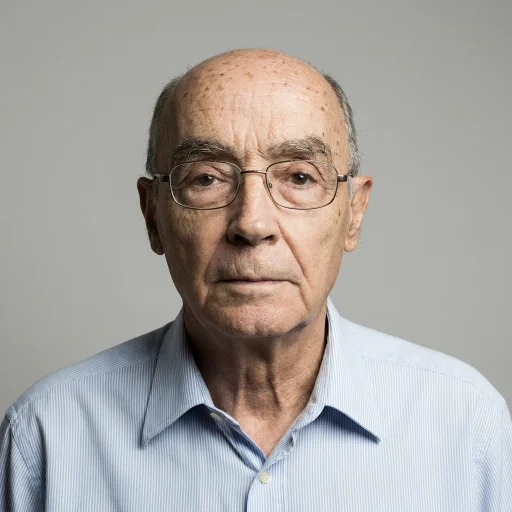
José Saramago
Nobel Prize-winning Portuguese author renowned for his unique narrative style and works exploring human fragility and power structures.
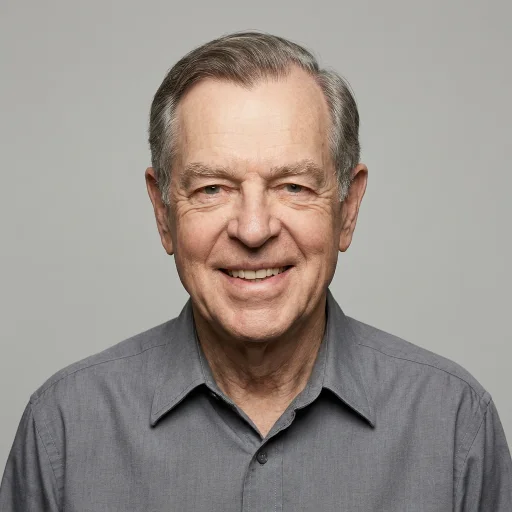
Joseph Campbell
American mythologist who revealed the unity in human stories through the concept of the Hero's Journey, transforming our understanding of purpose and symbols.
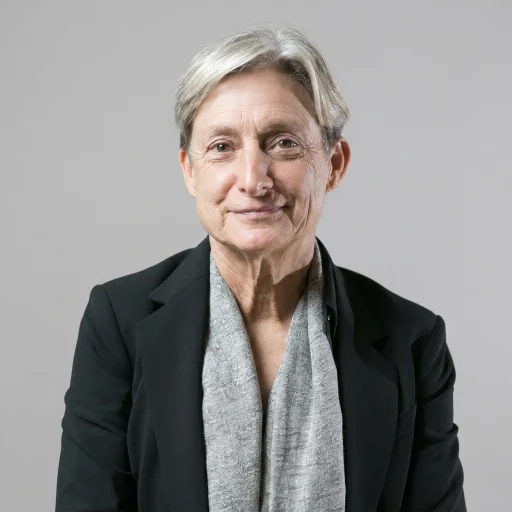
Judith Butler
A global reference in queer theory, Judith Butler revolutionized thought on gender and identity through the concept of performativity and a critique of prevailing social norms.
Julia Kristeva
Julia Kristeva is a Bulgarian-French philosopher, psychoanalyst, and literary critic who emerged as a leading figure in structuralism and post-structuralism. Her groundbreaking research spans semiotics, language, and female subjectivity within the framework of Lacanian psychoanalysis. Kristeva introduced fundamental concepts such as 'intertextuality' and 'abjection,' exploring the boundaries between the body, desire, and social norms. In addition to her academic career, she is an active novelist and a staunch advocate for human rights and ethics in psychoanalysis.
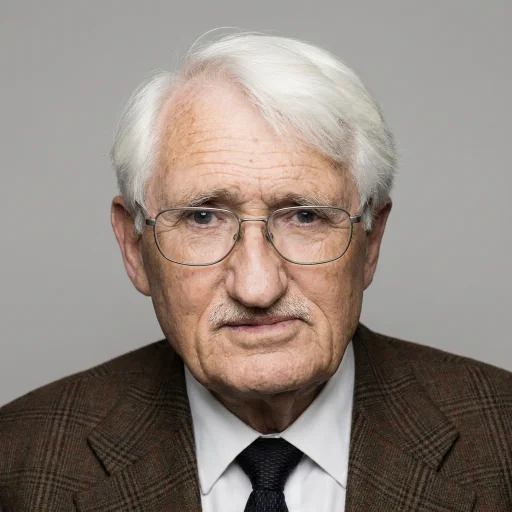
Jürgen Habermas
Renowned German philosopher and sociologist of the Frankfurt School's second generation, famous for his Theory of Communicative Action and defense of deliberative democracy.
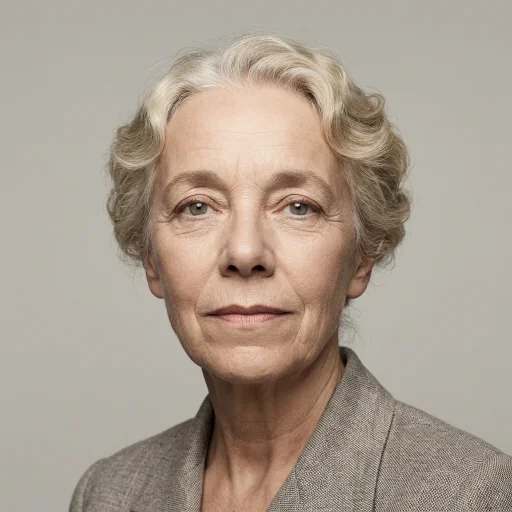
Karen Horney
Pioneering psychoanalyst who challenged Freud's theories, focusing human development on culture, social environment, and overcoming basic anxiety.
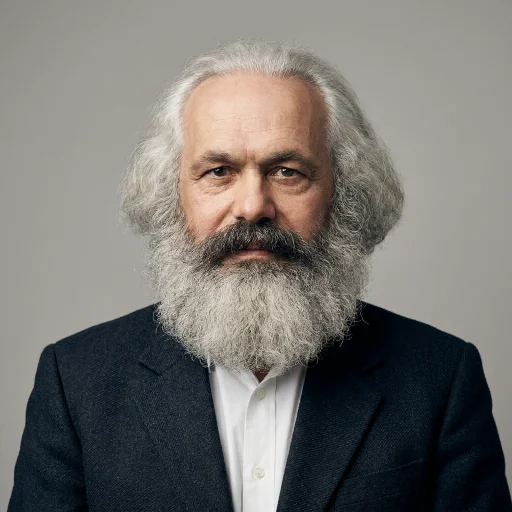
Karl Marx
Karl Marx was a towering German philosopher and economist whose theories on class struggle and capitalism fundamentally shaped modern social and political thought. ✊
10 pensamentos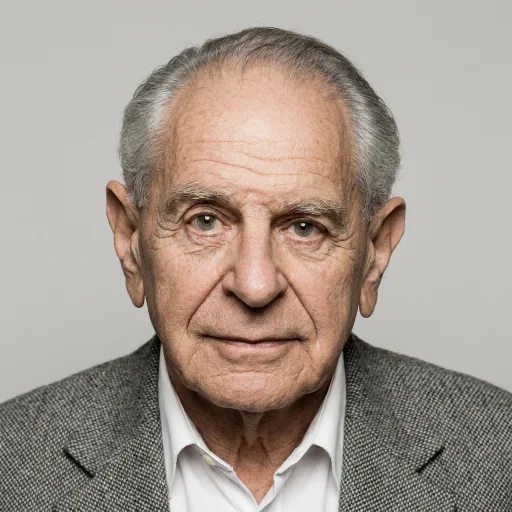
Karl Popper
Karl Popper was an influential philosopher of science, famous for his theory of falsificationism and his defense of the open society against totalitarianism.
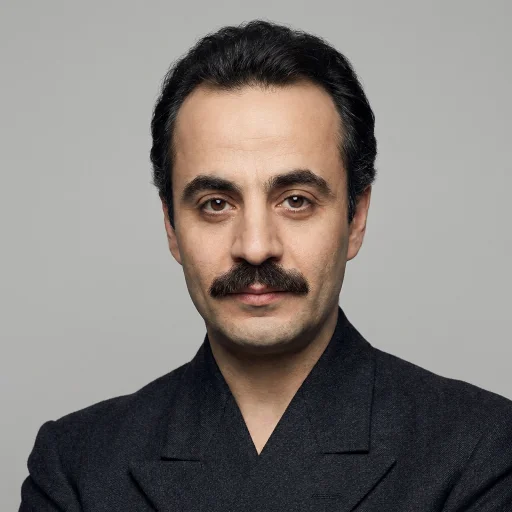
Khalil Gibran
Lebanese poet and philosopher Kahlil Gibran touched the world with his poetic prose and spiritual wisdom. He is the author of the classic 'The Prophet', which explores the essence of human existence.

Lao-Tsé
Legendary Chinese philosopher and author of the Tao Te Ching, Lao Tzu is the pillar of Taoism, advocating for a life in harmony with the natural flow and the virtue of non-action.
10 pensamentos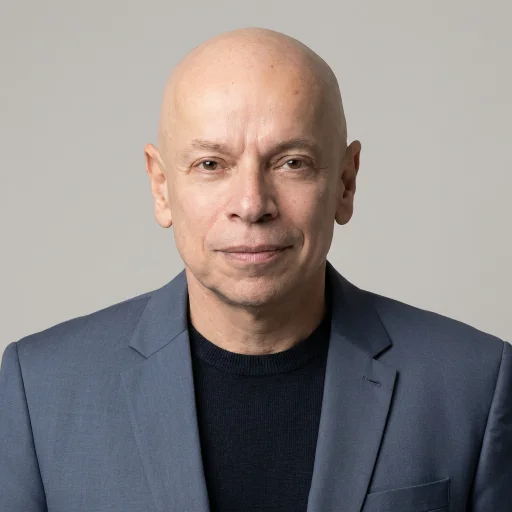
Leandro Karnal
Brazilian historian and intellectual, Leandro Karnal is one of today's most influential voices, blending philosophy, history, and ethics to analyze the dilemmas of contemporary society.
10 pensamentosLélia Gonzalez
Lélia Gonzalez was a Brazilian intellectual, politician, and anthropologist, pioneering the study of the intersection between race, class, and gender in Brazil. She coined the term 'Amefricanity' to describe Black identity in Latin America and the Caribbean. A fundamental activist in the founding of the Unified Black Movement (MNU), Lélia was one of the first to denounce the myth of Brazilian racial democracy through a Black feminist lens, influencing generations of thinkers and social movements across the country.
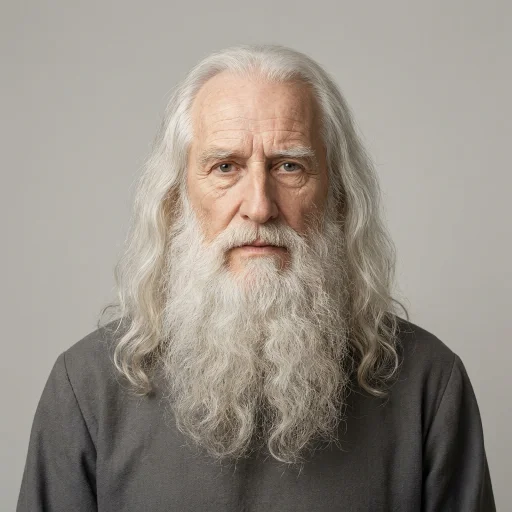
Leonardo da Vinci
Leonardo da Vinci was the ultimate Renaissance polymath, merging science, art, and technology to revolutionize human knowledge through timeless masterpieces and inventions.
10 pensamentos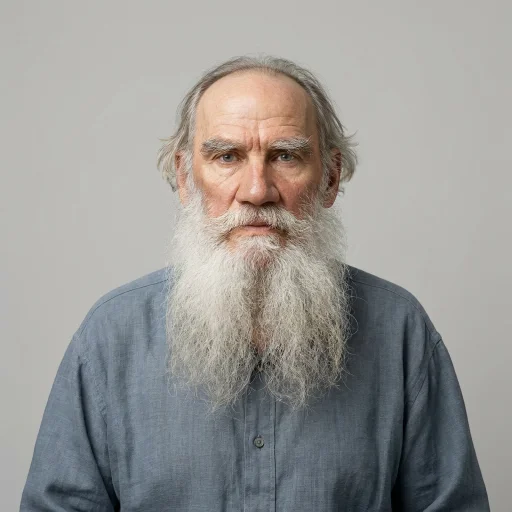
Liev Tolstói
Leo Tolstoy was a giant of Russian literature, author of masterpieces like War and Peace and Anna Karenina, as well as a fervent moral thinker and pacifist.
Luce Irigaray
A distinguished Belgian-born French philosopher, psychoanalist, and linguist. She stands as one of the leading theorists of French feminism, renowned for her profound critique of phallocentrism within Western philosophy and traditional psychoanalysis. Her work explores the concept of 'sexual difference' and the vital need for a symbolic space for the feminine. Irigaray argues that language and thought must be reconstructed to allow women to express themselves as autonomous and unique subjects.
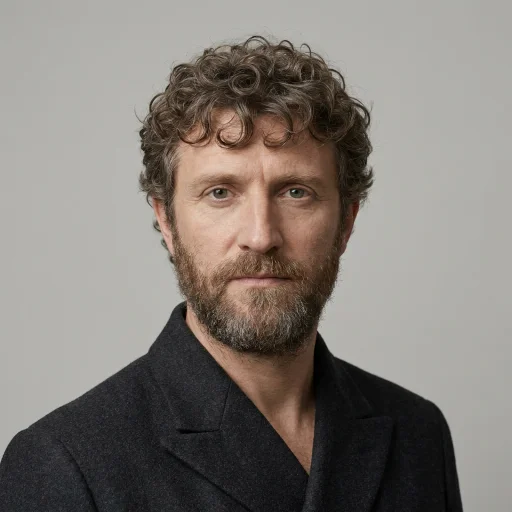
Lucrécio
Roman poet and philosopher of the 1st century BC, Lucretius was the primary spreader of Epicureanism in Rome through his monumental work on the nature of things.
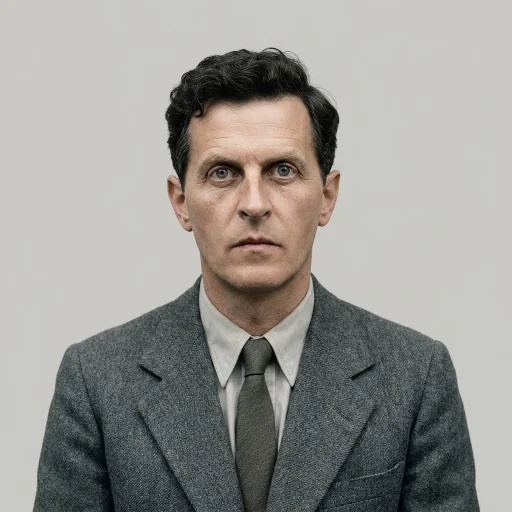
Ludwig Wittgenstein
Ludwig Wittgenstein was a titan of 20th-century philosophy, revolutionizing logic and the philosophy of language through the Tractatus and Philosophical Investigations.
Luís de Camões
Regarded as the greatest figure in Lusophone literature, Luís Vaz de Camões was a 16th-century epic and lyric poet. His life was defined by adventurous travels, serving as a soldier in the East, where he faced shipwrecks and battles that shaped his perspective on the world and humanity. His masterpiece, 'The Lusiads' (Os Lusíadas), captures the Renaissance spirit by blending classical mythology with the history of Portuguese maritime exploration. Beyond the epic, his lyrical poetry explores the paradoxes of love and the transience of life, deeply influencing philosophical and aesthetic thought in the Portuguese-speaking world.
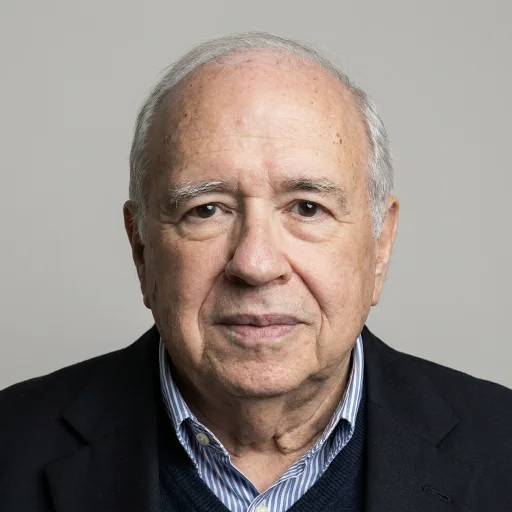
Luis Fernando Verissimo
A master of the Brazilian 'crônica', Luis Fernando Verissimo is a legendary satirist and writer known for his sharp wit and iconic characters that mirror the absurdities of daily life.
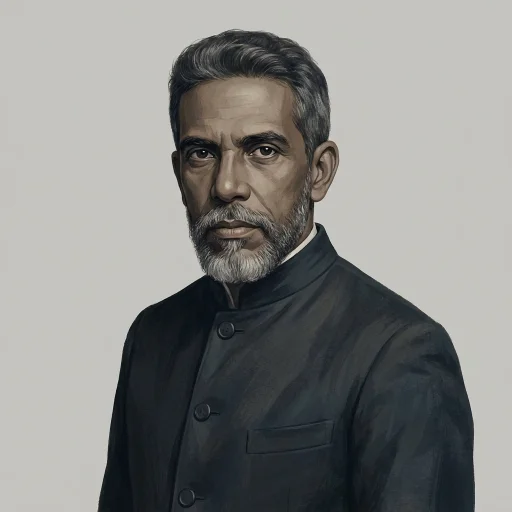
Machado de Assis
The founding father of the Brazilian Academy of Letters, Machado de Assis is the master of Realism and irony, known for classics like Dom Casmurro and Brás Cubas.
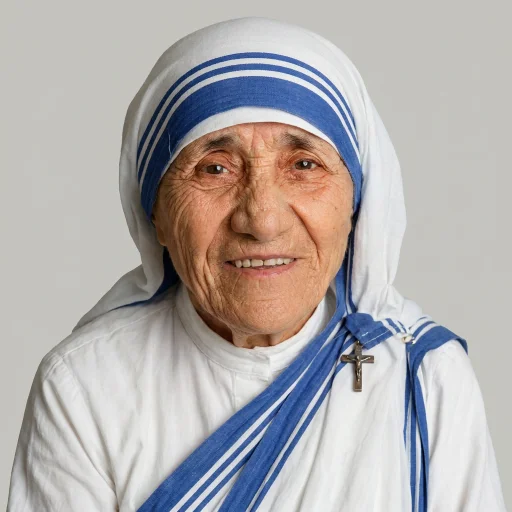
Madre Teresa de Calcutá
Mother Teresa of Calcutta was a Catholic missionary and Nobel Peace Prize winner who dedicated her life to the poorest of the poor, founding the Missionaries of Charity in India.
10 pensamentos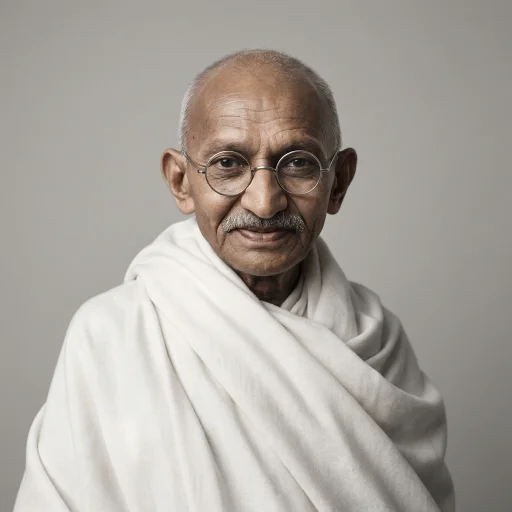
Mahatma Gandhi
Indian pacifist leader who revolutionized the world with the philosophy of nonviolent resistance (Satyagraha), leading India to independence and inspiring global civil rights movements.
15 pensamentos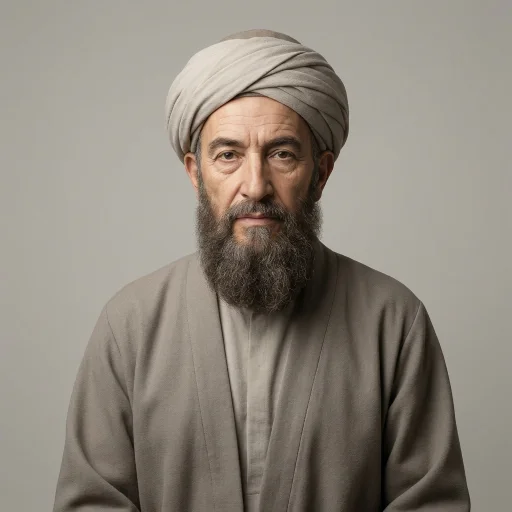
Maimônides
Maimonides was the most influential Jewish philosopher and physician of the Middle Ages, famous for reconciling Aristotelian philosophy with Jewish theology.
15 pensamentos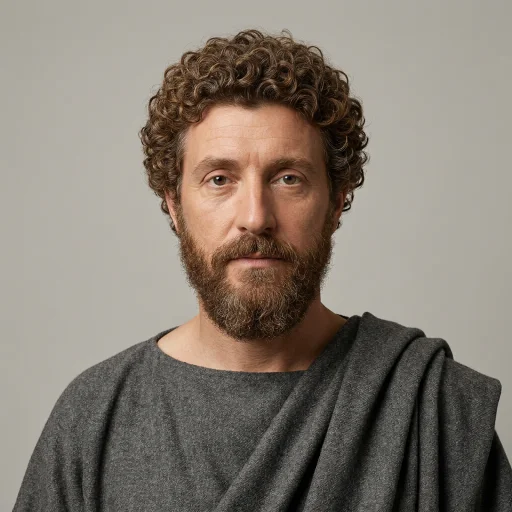
Marco Aurélio
Roman Emperor and one of the leading Stoic philosophers, whose reflections on virtue, duty, and mental resilience in 'Meditations' continue to guide generations.
10 pensamentosMaria Gabriela Llansol
Maria Gabriela Llansol was one of the most singular voices in contemporary Portuguese literature. Her writing, which defies traditional genre classifications, creates a unique universe where history, philosophy, and mysticism meet in a constant dialogue between living beings and objects. Spending a large part of her life in exile in Belgium, Llansol developed a narrative technique based on fragmentation and mutation. Her work invites the reader into a radical thinking experience, where language serves as a space for resistance and an encounter with the 'other'.
Maria Lugones
Maria Lugones was an Argentine philosopher, feminist, and activist based in the United States, pivotal to the development of decolonial feminism. She is widely recognized for theorizing intersectionality from a Global South perspective and for her critique of the modern-colonial gender system. Her concept of the 'coloniality of gender' explains how the imposition of European norms during colonization shaped racial and social hierarchies that persist today. Lugones advocated for coalitional resistance and pluralistic thinking as essential tools for liberation.
Maria Montessori
An Italian physician and educator, Maria Montessori revolutionized early childhood education by developing a method that prioritizes a child's autonomy and individual freedom. Her approach is rooted in the scientific observation of child development. She believed that education was the path to world peace and that the classroom environment should be tailored to the biological and psychological needs of young learners. Her legacy lives on in thousands of schools worldwide that implement the Montessori Method today.
Maria Zambrano
Maria Zambrano was a Spanish philosopher and essayist associated with the Generation of '36. Her work is defined by 'poetic reason,' a philosophical framework that seeks to integrate discursive reason with human sensitivity and spiritual experience. Exiled following the Spanish Civil War, Zambrano lived in several countries, an experience that deeply influenced her thoughts on hope and the human condition in exile. In 1988, she was awarded the Cervantes Prize, becoming the first woman to receive this prestigious honor.
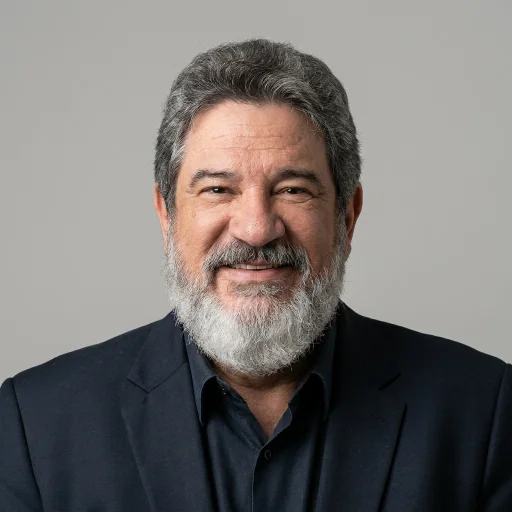
Mario Sergio Cortella
Mario Sergio Cortella is one of Brazil's leading contemporary philosophers, renowned for his insights on ethics, education, and finding meaning in the modern world.
15 pensamentosMarshall McLuhan
A Canadian communication theorist, McLuhan famously predicted the 'global village' decades before the internet. He is best known for the phrase 'the medium is the message,' arguing that the way we receive information fundamentally alters our perception of the world. His work transformed media studies by focusing on how technology acts as an extension of human faculties. He analyzed the shift from print culture to the electronic age, influencing generations of communicators and tech visionaries.
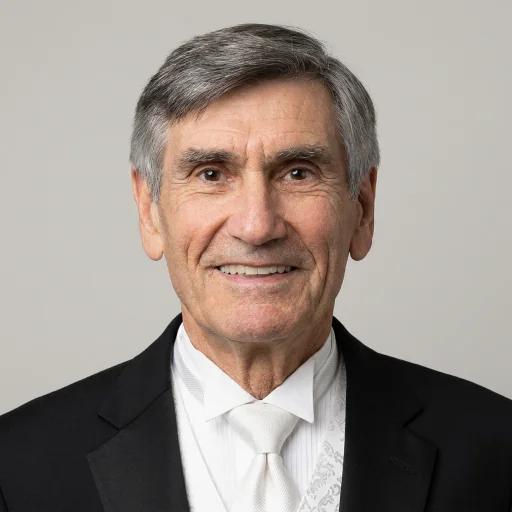
Marshall Rosenberg
American psychologist and creator of Nonviolent Communication (NVC), Marshall Rosenberg revolutionized conflict resolution through empathy and the identification of universal human needs.
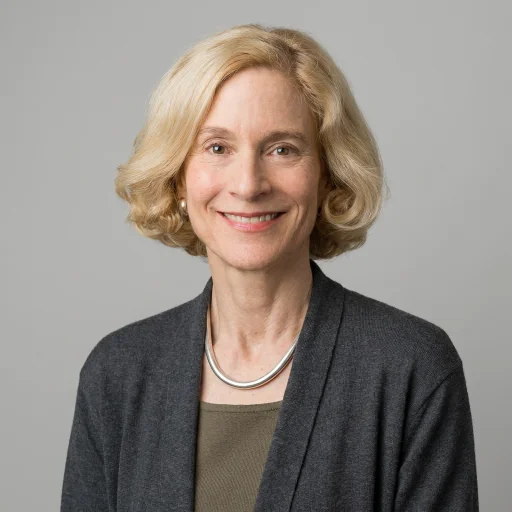
Martha Nussbaum
A leading figure in political philosophy, Martha Nussbaum created the Capabilities Approach and champions the role of emotions and humanities in justice and education.
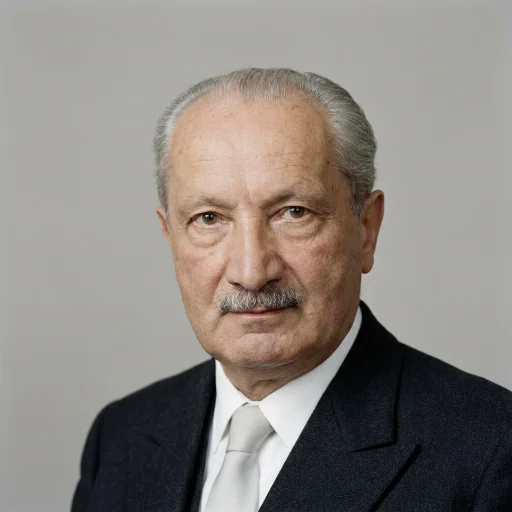
Martin Heidegger
One of the most influential 20th-century philosophers, Martin Heidegger revolutionized ontology by exploring the meaning of Being and human existence in his masterpiece 'Being and Time'.
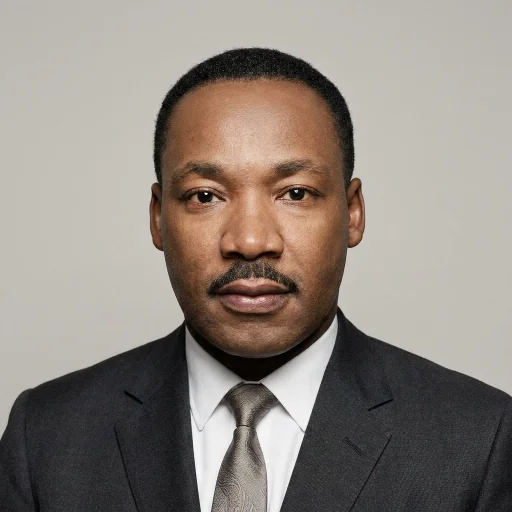
Martin Luther King Jr.
Martin Luther King Jr. was a Baptist minister and activist who became the primary leader of the U.S. civil rights movement through nonviolent resistance and social justice.
15 pensamentos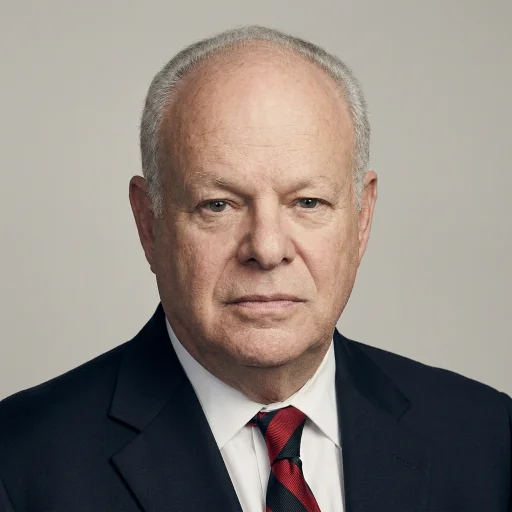
Martin Seligman
Martin Seligman is the father of Positive Psychology, revolutionizing the field by focusing on human flourishing, optimism, and character strengths for a fulfilled life.
Mary Shelley
Mary Shelley was a British novelist and essayist, world-renowned for writing 'Frankenstein', the work that pioneered modern science fiction. Daughter of Mary Wollstonecraft and William Godwin, she grew up in a vibrant intellectual environment that stimulated her critical thinking about the human condition. Her work reflects deep concerns about the limits of science, the creator's responsibility, and social isolation. Beyond her Gothic masterpiece, Shelley was a dedicated editor of her husband Percy Bysshe Shelley's works and a sharp observer of the politics of her era.
10 pensamentosMary Wollstonecraft
An 18th-century English writer and philosopher, Mary Wollstonecraft is regarded as one of the pioneers of feminist thought. Her most famous work, 'A Vindication of the Rights of Woman,' argued that women are not naturally inferior to men. She maintained that inequality was the result of a lack of education and opportunity, advocating for equal access to schooling as the foundation for social justice. Her work paved the way for the suffrage and women's rights movements in the centuries that followed.
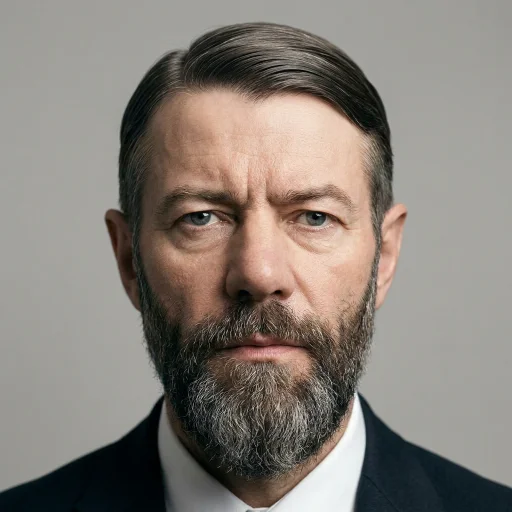
Max Weber
Max Weber was a fundamental German sociologist and economist for understanding modernity, known for his studies on bureaucracy, capitalism, and the Protestant ethic.
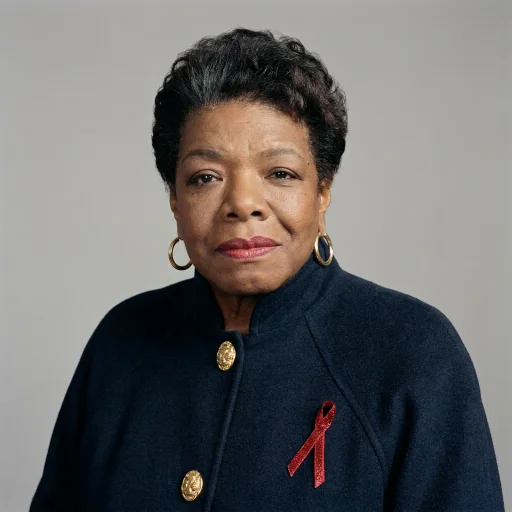
Maya Angelou
Maya Angelou was an iconic poet, writer, and civil rights activist celebrated for her powerful voice in defense of dignity, resilience, and the freedom of Black women.
Melanie Klein
Melanie Klein was an Austrian-British psychoanalyst who pioneered the field of child psychoanalysis. She introduced innovative techniques such as 'play therapy' as a gateway to a child's unconscious, revolutionizing our understanding of early emotional development and object relations theory. Her theories regarding the paranoid-schizoid and depressive positions opened new horizons for the treatment of psychosis and severe disorders. Klein's work profoundly influenced the British School of Psychoanalysis and remains fundamental for clinicians worldwide.
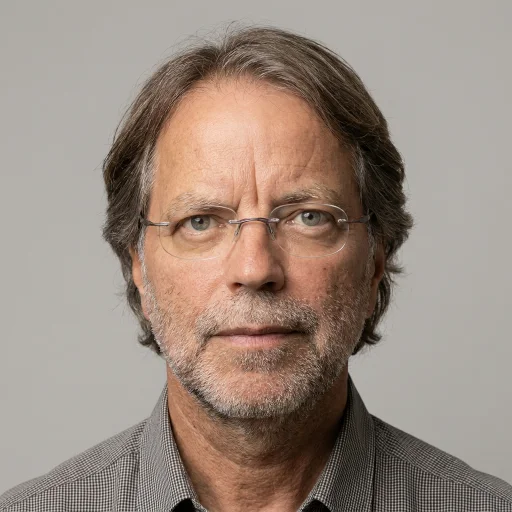
Mia Couto
Award-winning Mozambican writer Mia Couto is a master at blending the Portuguese language with animist realism, narrating the identity, war, and soul of Mozambique with unique lyricism.
10 pensamentos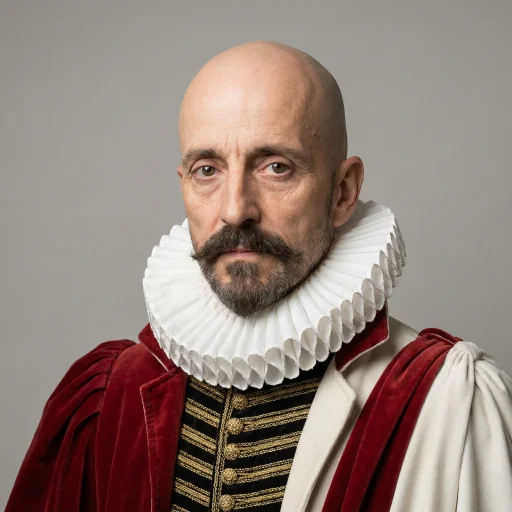
Michel de Montaigne
Michel de Montaigne was the creator of the modern essay, exploring human subjectivity, Pyrrhonian skepticism, and the pursuit of wisdom through deep self-knowledge.
15 pensamentos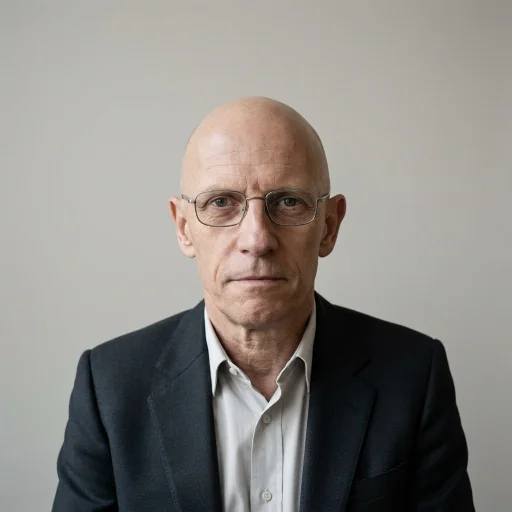
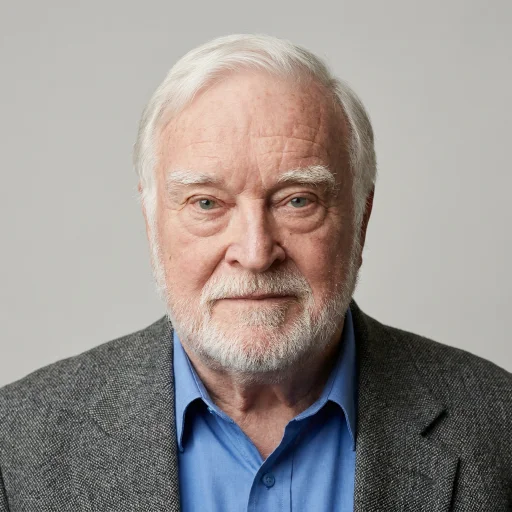
Michel Foucault
One of the greatest thinkers of the 20th century, Michel Foucault revolutionized philosophy by investigating power structures, institutions, and the archaeology of human knowledge.
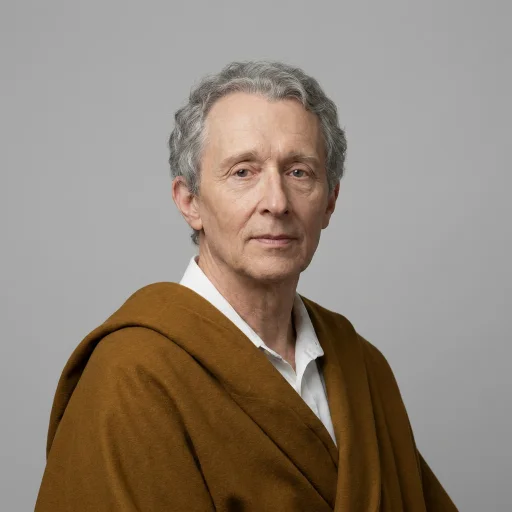
Mihaly Csikszentmihalyi
Mihaly Csikszentmihalyi was a renowned psychologist who revolutionized positive psychology by defining the state of 'Flow'—the experience of total immersion and happiness in work and art.
Montesquieu
Baron de Montesquieu was an influential French Enlightenment philosopher famous for formulating the theory of separation of powers, a cornerstone of modern liberal democracies.
4 pensamentos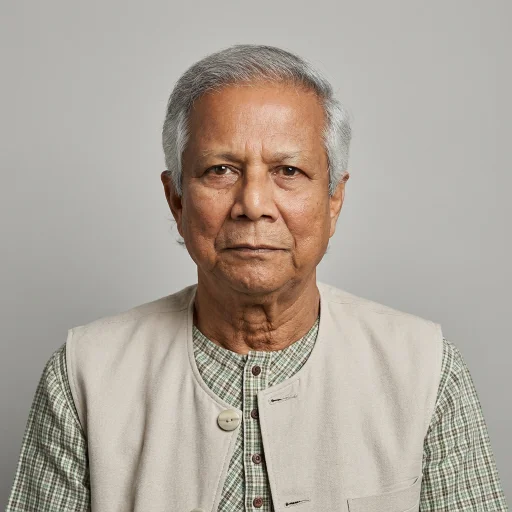
Muhammad Yunus
Nobel Peace Prize winner and Bangladeshi economist Muhammad Yunus pioneered microcredit and social business, revolutionizing the global fight against poverty.
30 pensamentos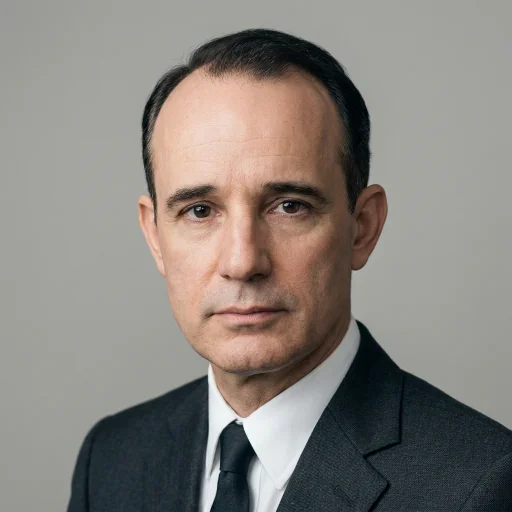
Napoleon Hill
Napoleon Hill was an influential American author and a pioneer of the self-help genre, best known for uncovering the laws of success and mental wealth.
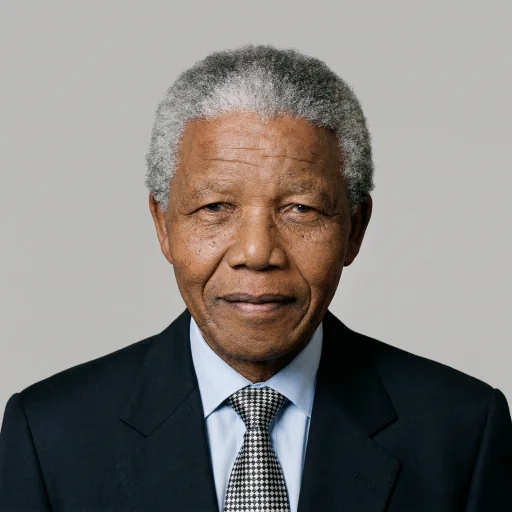
Nelson Mandela
Nelson Mandela was the ultimate symbol of the fight against apartheid in South Africa. A Nobel Peace Prize winner, he dedicated his life to social justice and building a democratic, multiracial nation. 🕊️
15 pensamentos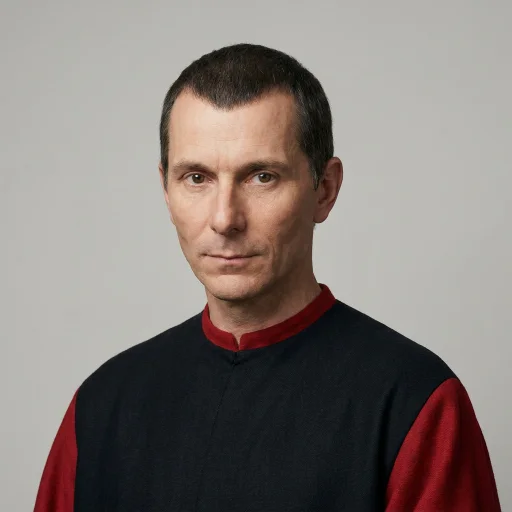
Nicolau Maquiavel
Florentine politician and philosopher, Machiavelli revolutionized political thought by separating morality from power strategy, focusing on the practical reality of leadership.
10 pensamentos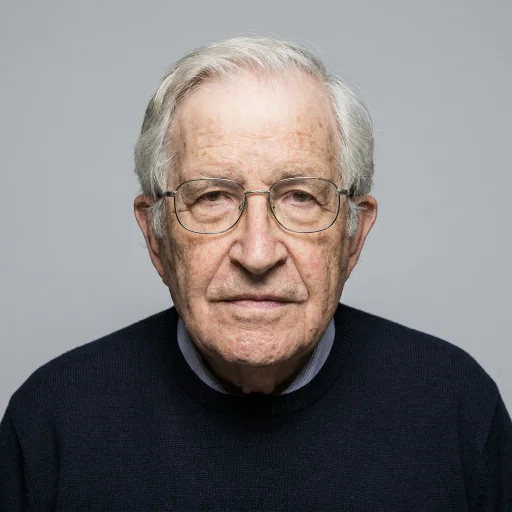
Noam Chomsky
Noam Chomsky is a pioneering linguist and philosopher who revolutionized cognitive science with generative grammar and remains a leading critic of global power structures.
Noel Rosa
Noel Rosa was a legendary Brazilian songwriter and observer of urban life, essential in establishing samba as both an intellectual and popular genre. With lyrics filled with irony and everyday philosophy, he captured life in Rio de Janeiro and the deep dilemmas of the human soul. His compositions were more than just music; they were sociological essays on street smarts, love, and inequality. Noel brought literary sophistication to popular music, proving that wisdom lives in both the academies and the neighborhood bars.
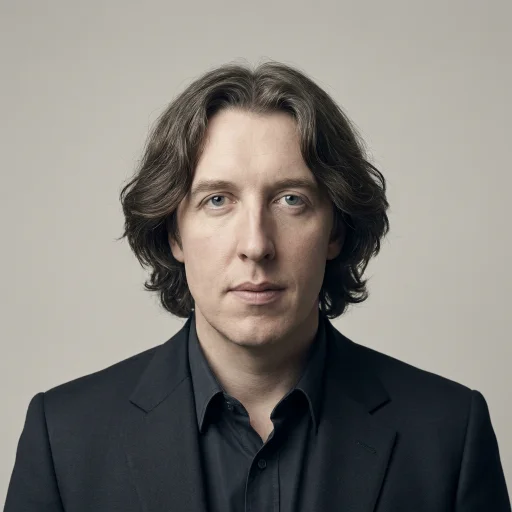
Oscar Wilde
An icon of Victorian literature and master of the aphorism, Oscar Wilde is celebrated for his biting wit, refined aesthetic, and profound critiques of social conventions.

Parmênides
Parmenides of Elea was the founder of the Eleatic school and the father of ontology, arguing that Being is motionless and eternal, contrasting logic with sensory illusion.
10 pensamentosPaul Feyerabend
Paul Feyerabend was an Austrian philosopher of science, best known for his anarchist stance on the scientific method. In his landmark work, 'Against Method', he argues that there is no single methodological rule that hasn't been violated at some point to ensure scientific progress. His thought champions theoretical pluralism and the idea that science should not hold absolute authority over other forms of knowledge. Feyerabend believed that intellectual freedom is essential for discovery and that scientific dogmatism can be just as dangerous as religious dogma.
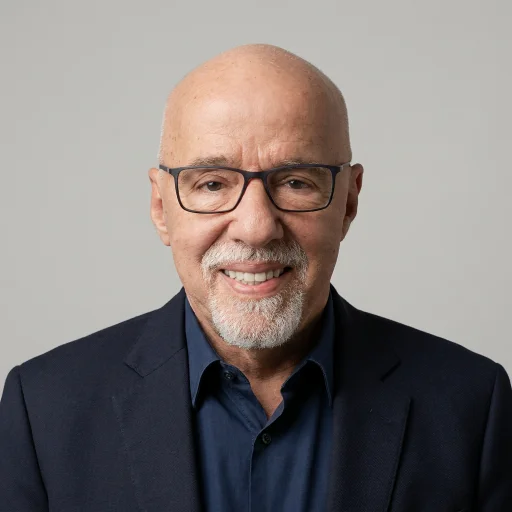
Paulo Coelho
Brazilian author and global literary phenomenon, Paulo Coelho is the writer of 'The Alchemist' and a master of narratives on self-discovery and spirituality. ✨
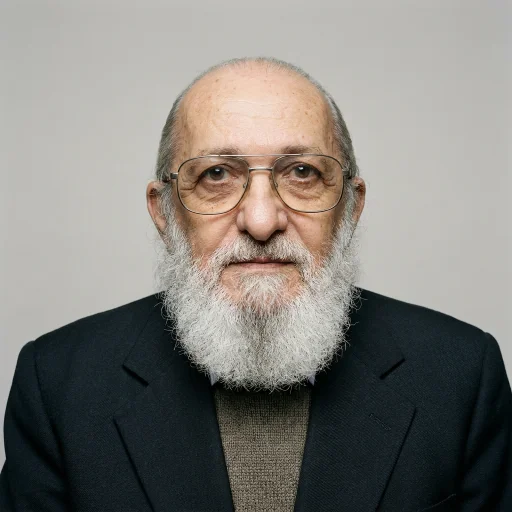
Paulo Freire
The Patron of Brazilian Education, Paulo Freire revolutionized global pedagogy by proposing a liberating education focused on dialogue, critical consciousness, and social empowerment.
15 pensamentos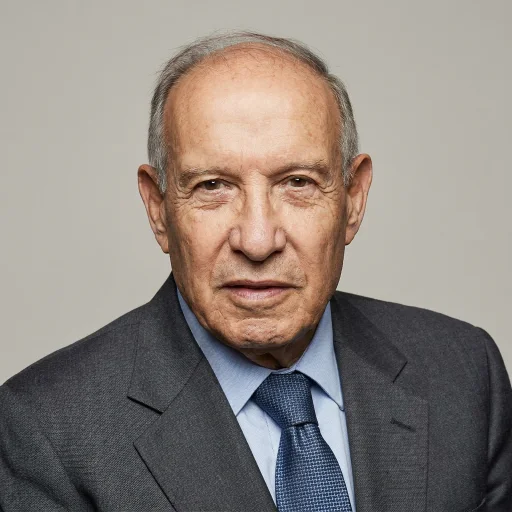
Peter Drucker
The ultimate authority on modern management, Peter Drucker revolutionized business leadership with a focus on results, innovation, and the value of human intellectual capital.
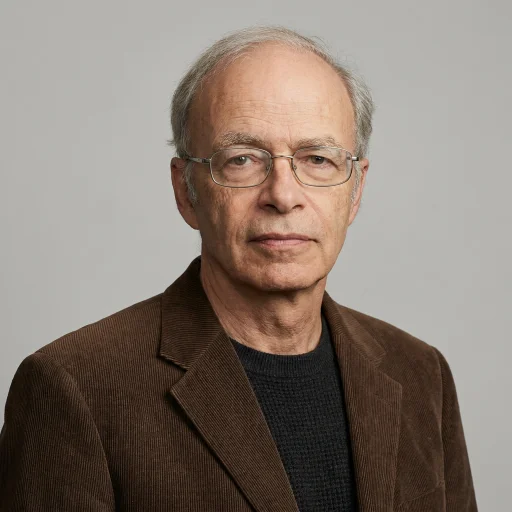
Peter Singer
Peter Singer is an Australian utilitarian philosopher and Princeton professor, a global authority on practical ethics, animal rights, and effective altruism.
Piotr Kropotkin
Russian geographer and political theorist, considered one of the leading figures of anarcho-communism. Kropotkin used his scientific observations in Siberia to challenge the Social Darwinist view that competition was the sole law of nature. In his work 'Mutual Aid,' he argued that cooperation and solidarity among members of the same species are determining factors in evolution. He advocated for a society organized into self-managed communes, without the need for a centralized State.
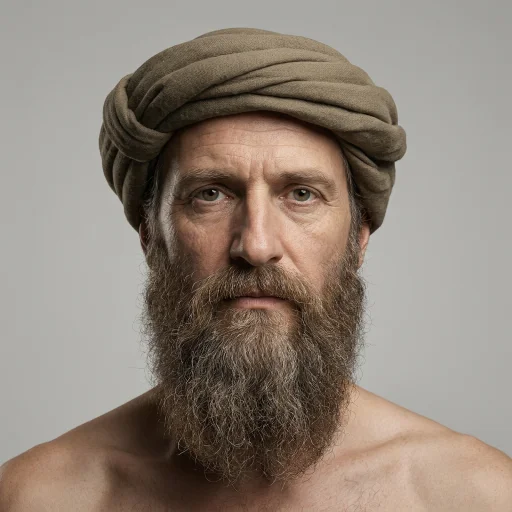
Pitágoras
A Greek philosopher and mathematician, Pythagoras founded a mystical school where numbers were the foundation of universal harmony and the human soul.
12 pensamentos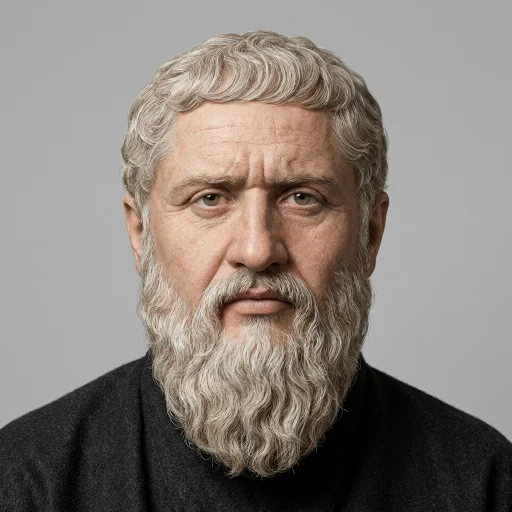
Platão
Plato was one of Ancient Greece's most influential philosophers, founder of the Academy and mentor to Aristotle, whose works shaped the foundation of Western metaphysics and politics.
30 pensamentos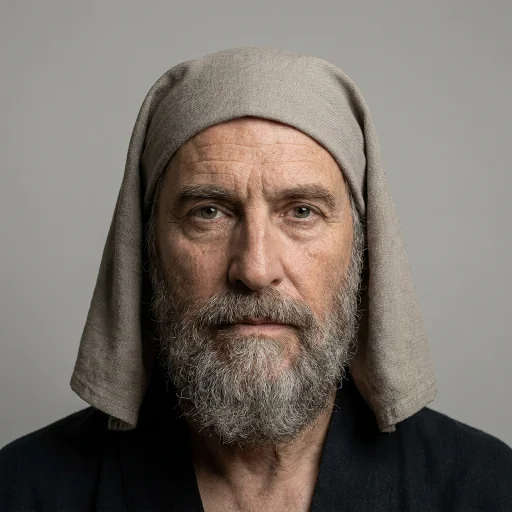
Plutarco
Plutarch was an influential Greek historian and philosopher, renowned for his comparative biographies exploring the ethics, virtue, and character of ancient leaders.
10 pensamentos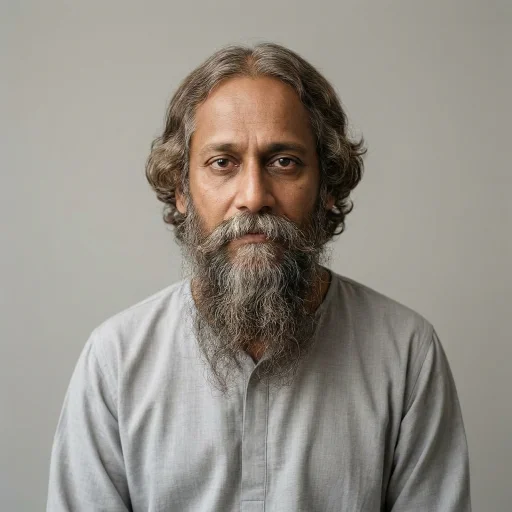
Rabindranath Tagore
As the first non-European to win the Nobel Prize in Literature, Tagore was a literary master and philosopher who bridged Eastern wisdom with universal ideals.
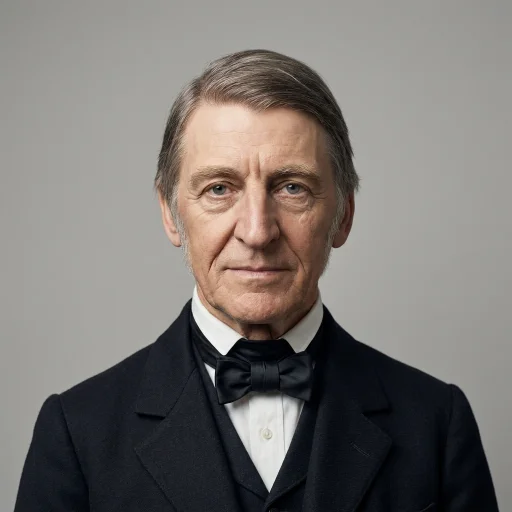
Ralph Waldo Emerson
Leader of the Transcendentalist movement and philosopher of self-reliance, Emerson transformed American thought with his vision of harmony between man and nature.
10 pensamentos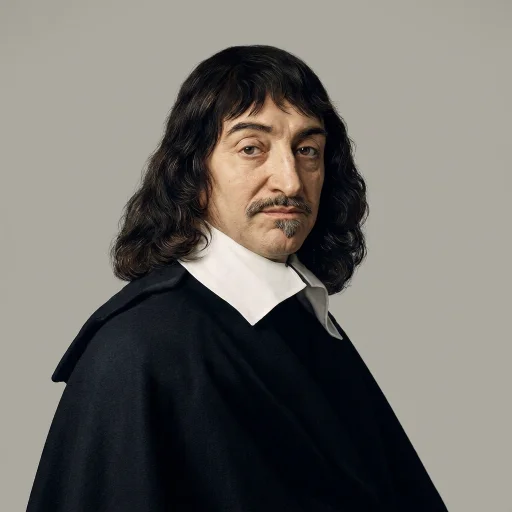
René Descartes
A 17th-century French philosopher and mathematician, René Descartes revolutionized Western thought by establishing rationalism and the famous premise 'I think, therefore I am.'
10 pensamentos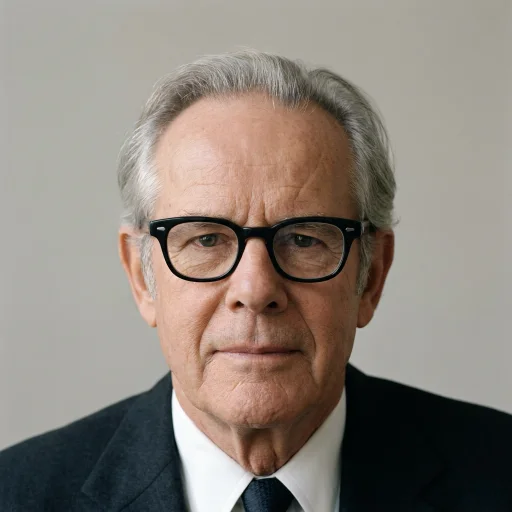
Rollo May
A pioneer of existential psychology, Rollo May explored anxiety, freedom, and destiny as core elements of the human experience and the development of creative courage.
Rosa Luxemburgo
A Polish-German Marxist theorist and revolutionary, Rosa Luxemburg was a critical and original voice within the socialist movement. She championed direct democracy and mass strikes as tools for social transformation, firmly opposing authoritarianism. Founder of the Spartacus League, her life was defined by political militancy and profound reflections on the capitalist economy. Even while imprisoned, she continued to write about freedom of thought, leaving a legacy of intellectual courage and tireless activism.
Rosa Paim
Rosa Paim was a prominent Brazilian psychiatrist and researcher, renowned for her contributions to the field of psychopathological phenomenology. Her clinical and academic work focused on a deep understanding of patient subjectivity, striving to humanize mental health treatment in Brazil. She integrated philosophical concepts into psychiatry, focusing on how individuals in distress perceive time and space. Her efforts were fundamental in establishing phenomenological psychiatry as a vital alternative to purely biological perspectives on the human mind.
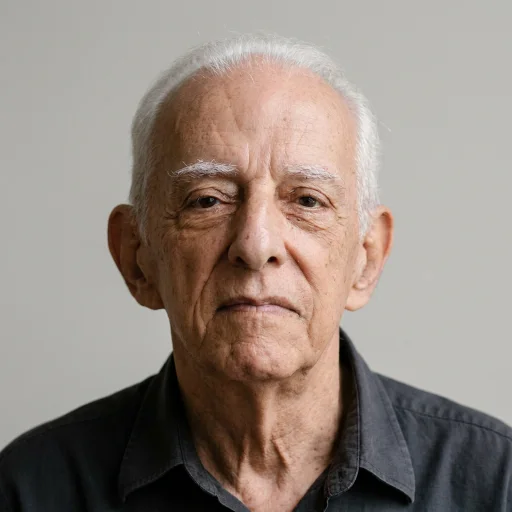
Rubem Alves
A Brazilian writer, educator, and psychoanalyst, Rubem Alves was one of the most poetic voices in pedagogy, turning education and spirituality into tools of enchantment.
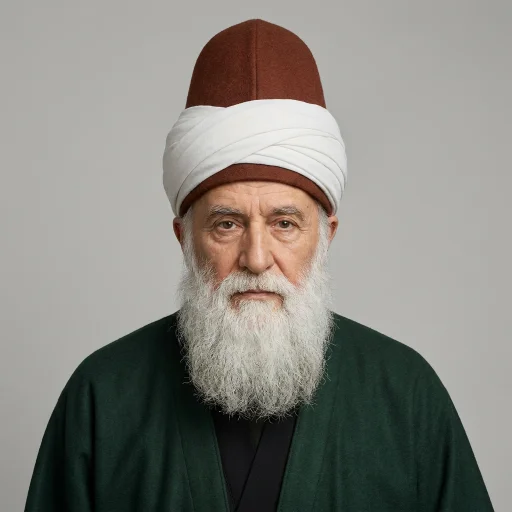
Rumi
A 13th-century Persian mystic and poet, Rumi is the greatest exponent of Sufi poetry, celebrating divine love and the spiritual journey toward absolute unity with the Creator.
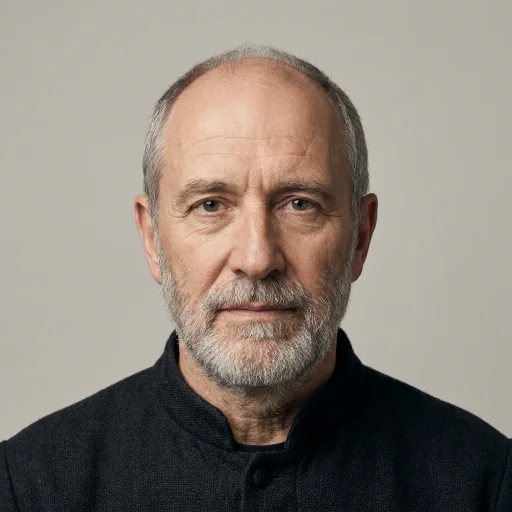
Santo Agostinho
A pillar of Western philosophy, Saint Augustine bridged Christian faith and Neoplatonism, exploring free will, the nature of time, and the problem of evil.
38 pensamentos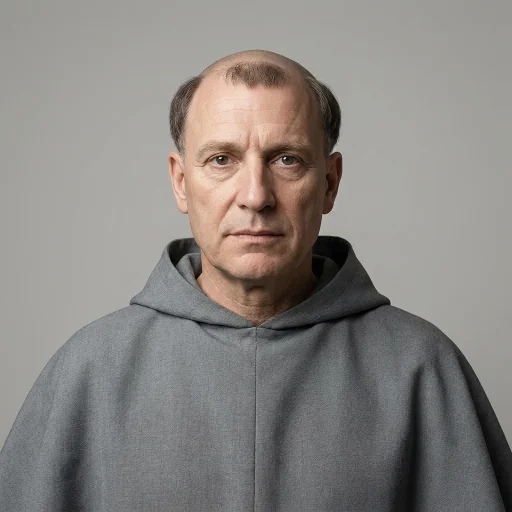
São Tomás de Aquino
An Italian theologian and philosopher who bridged Aristotelian reason with Christian faith, founding Scholasticism and permanently shaping Western thought.
10 pensamentosSavitribai Phule
Savitribai Phule was a pioneering educator, social reformer, and Indian poet, celebrated as the mother of Indian feminism. In the 19th century, she challenged rigid caste norms and patriarchy to champion education for women and marginalized groups in British India. Alongside her husband, she founded the first school for girls in Pune. Her crusade included the abolition of untouchability and the defense of widows' rights, using both her writing and direct activism to question the oppressive social structures of her time.
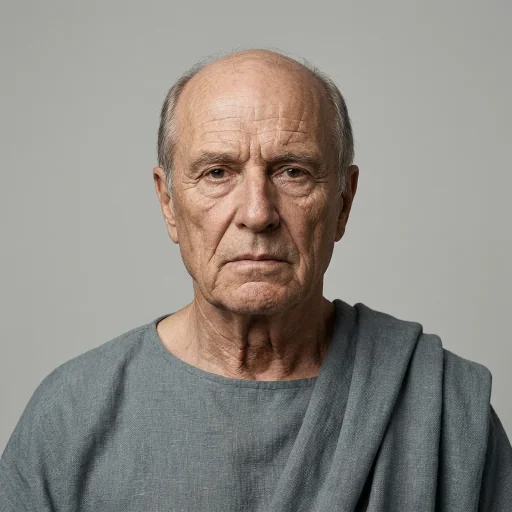
Sêneca
Lucius Annaeus Seneca was one of the most influential Roman Stoic philosophers, a master of ethics and resilience whose works shaped Western thought on virtue.
10 pensamentos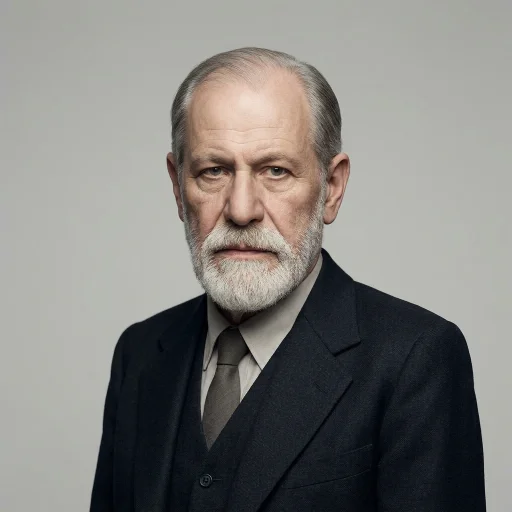
Sigmund Freud
Sigmund Freud was the Austrian neurologist who revolutionized psychology by founding psychoanalysis, exploring the depths of the unconscious and the influence of hidden desires.
15 pensamentosSilvia Federici
Silvia Federici is a renowned Italian-American scholar, professor, and feminist activist whose research focuses on the intersection of capitalism, domestic labor, and the history of female oppression. Her most famous work, 'Caliban and the Witch', reconnects the witch hunts with the transition to capitalism. Federici is a co-founder of the International Wages for Housework Campaign, arguing that the exploitation of women's unpaid labor is the hidden foundation of capital accumulation. Her thought is vital for autonomous feminism and contemporary social movements.
8 pensamentos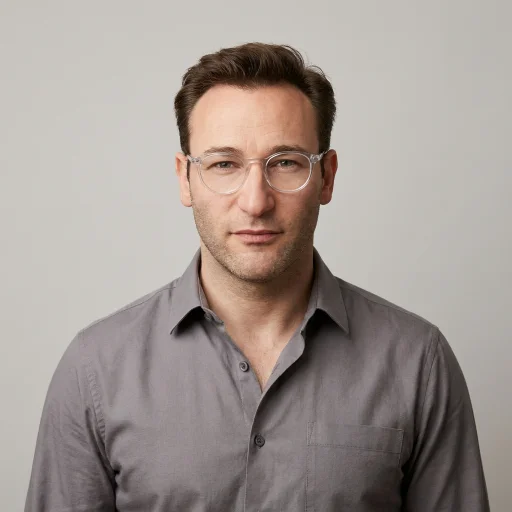
Simon Sinek
Author and motivational speaker Simon Sinek created the 'Golden Circle' concept and is a world-renowned expert on inspirational leadership and corporate culture.
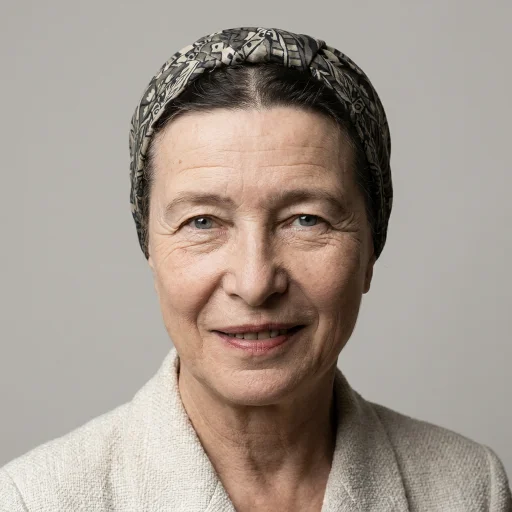
Simone de Beauvoir
French existentialist philosopher and writer Simone de Beauvoir revolutionized modern thought by analyzing human freedom and the social foundations of womanhood.
15 pensamentosSimone de Sinclair
Note: Due to the focus on influential figures, we present Sun Tzu, the ancient Chinese strategist and philosopher. His masterpiece 'The Art of War' has transcended the military field to become a treatise on intelligence, psychology, and conflict management. Sun Tzu emphasized that the greatest victory is that which is won without fighting, through self-knowledge and a deep understanding of the adversary. His principles on flexibility and strategy continue to influence leaders across various fields to this day.
Simone Weil
A French philosopher, mystic, and political activist, Simone Weil dedicated her life and work to the study of social justice and spirituality. Her journey was marked by a deep identification with the working class, leading her to work in factories to truly understand the laborer's condition. Her philosophy combines elements of Platonic Christianity with mysticism and social engagement. Weil explored themes such as suffering, attention, and 'decreation,' leaving an intellectual legacy that profoundly influenced 20th-century ethical and theological thought.
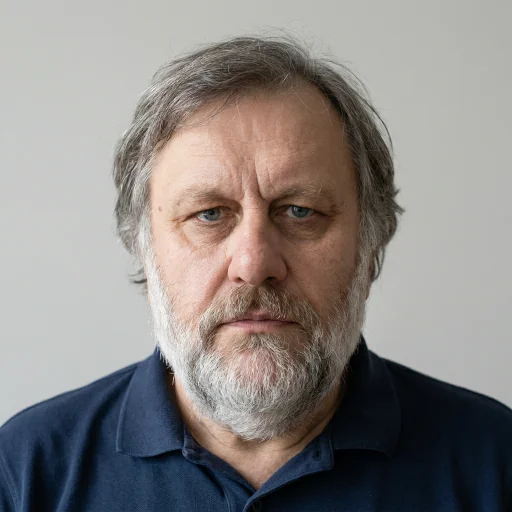
Slavoj Žižek
Slavoj Žižek is a Slovenian philosopher renowned for his provocative analyses merging Lacanian psychoanalysis with dialectical materialism to interpret contemporary culture and politics.
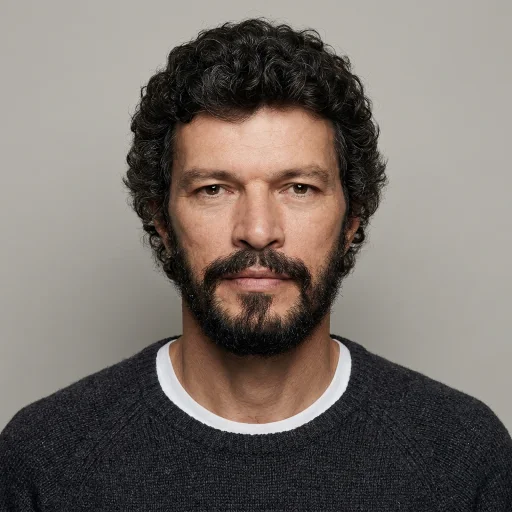
Sócrates
Socrates was a cornerstone of Western philosophy, famous for his dialectical method of questioning and his relentless pursuit of moral truth and self-knowledge in Ancient Greece.
11 pensamentosSojourner Truth
Born Isabella Baumfree in New York, Truth was a pioneering abolitionist and women's rights activist who escaped slavery in 1826. She became a powerful traveling orator, championing universal freedom and women's suffrage with a groundbreaking intersectional perspective. Her most famous speech, 'Ain't I a Woman?', delivered in 1851, challenged prevailing notions of femininity and race. She dedicated her life to recruiting Black soldiers for the Union Army and fighting for social reform until her death in 1883.

Søren Kierkegaard
The father of existentialism, Søren Kierkegaard explored the anxiety of individual choice, the subjectivity of faith, and the quest for authentic meaning in human existence.
10 pensamentos
Stephen Covey
Stephen Covey was an influential author and management consultant, best known for 'The 7 Habits of Highly Effective People' and his expertise in leadership and personal effectiveness.
Suely Rolnik
Suely Rolnik is a Brazilian psychoanalyst, art critic, and curator, renowned for her work in the fields of subjectivity and culture. Her work maintains an intense dialogue with the philosophy of Deleuze and Guattari, focusing on the decolonization of thought and the mutations of desire in the contemporary world. She has authored seminal books exploring how capitalism shapes human subjectivity. Rolnik proposes a clinical and political approach aimed at emancipating the 'vibratile body,' encouraging the creation of new forms of life and resistance against micropolitical oppression.
Theodor Adorno
Theodor Adorno was a German sociologist and philosopher, a leading figure of the Frankfurt School and Critical Theory. His profound analyses of the culture industry and instrumental rationality in 'Dialectic of Enlightenment' shaped the modern understanding of late capitalism. Beyond his philosophical work, Adorno was a gifted pianist and musicologist, applying aesthetic concepts to critique the standardization of art in mass society. His body of work remains foundational for 20th-century communication studies and the sociology of culture.
Thomas Aquinas
Dominican friar and Italian theologian whose work synthesized Aristotelian philosophy with Christian principles. He is the central figure of medieval Scholasticism. His masterpiece, the Summa Theologica, lays the foundation for understanding human reason in harmony with divine faith, permanently influencing Western thought.
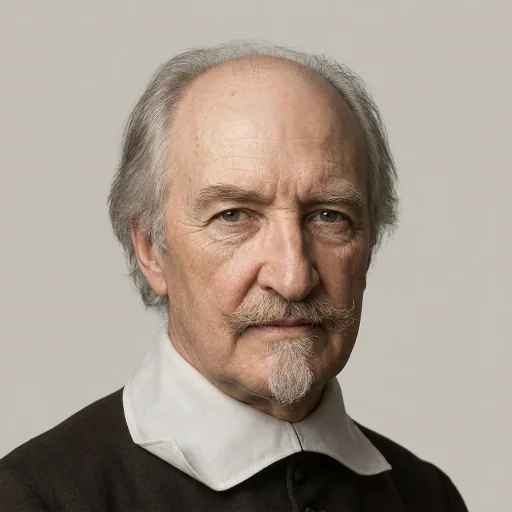
Thomas Hobbes
Thomas Hobbes was an influential English philosopher and author of Leviathan, who advocated for the social contract and a strong central power to ensure peace.
10 pensamentosThomas Kuhn
An American physicist and historian of science, Thomas Kuhn revolutionized our understanding of scientific progress with his landmark work 'The Structure of Scientific Revolutions.' He introduced the concept of 'paradigms' to explain how knowledge evolves over time. Kuhn argued that science does not advance in a purely linear and cumulative fashion, but rather through drastic breakthroughs that shift the foundations of a discipline. His vision forever changed the philosophy of science and the sociology of knowledge.
Thomas More
Thomas More was a 16th-century English lawyer, philosopher, and statesman, best remembered for his seminal work 'Utopia,' which depicts an ideal society on an imaginary island. He was a leading figure in Renaissance humanism and a close friend of Erasmus. His life was defined by religious and political integrity, ultimately leading to a fatal conflict with King Henry VIII. By refusing to recognize the King as Supreme Head of the Church of England, he was executed for treason and, centuries later, canonized as a saint by the Catholic Church.
Umberto Eco
Umberto Eco was an Italian polymath, semiotician, philosopher, and novelist. He gained worldwide fame for his novel 'The Name of the Rose', but his greatest contribution lies in semiotics—the study of signs—where he analyzed how culture and mass media construct meaning. As a prominent public intellectual, Eco wrote extensively on medieval aesthetics, textual interpretation, and the nature of truth in the information age. His ability to bridge the gap between rigorous academia and pop culture made him one of the most influential minds of the 20th century.

Viktor Frankl
Austrian psychiatrist and founder of Logotherapy, Viktor Frankl revolutionized psychology by focusing on the human search for meaning as the primary motivating force in life.
15 pensamentos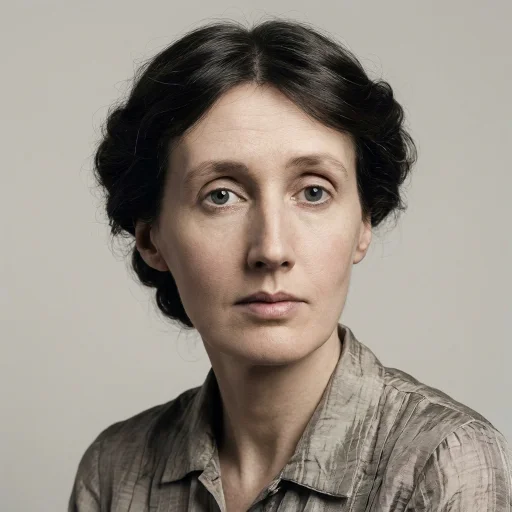
Virginia Woolf
Virginia Woolf was a titan of literary modernism, revolutionizing narrative through her stream of consciousness technique and profound analysis of the human psyche.
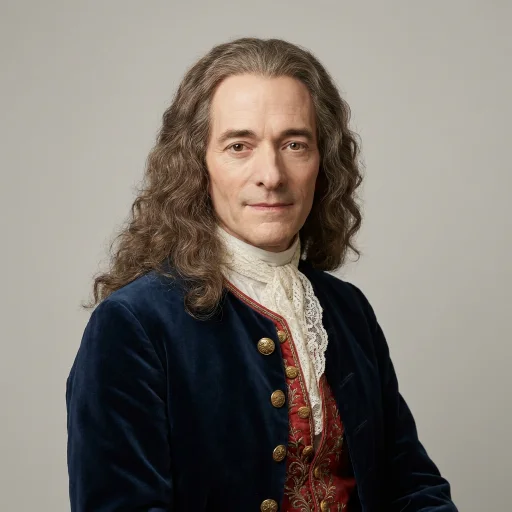
Voltaire
Voltaire was the leading figure of the French Enlightenment, a master of satire, and a fierce advocate for freedom of speech and religious tolerance against absolutism.
10 pensamentos
W. E. B. Du Bois
W. E. B. Du Bois was a pioneering American sociologist, historian, and activist whose fight for civil rights and theories on identity shaped modern sociology.
Walter Benjamin
A German-Jewish essayist, literary critic, and philosopher, Walter Benjamin was one of the most original figures of the Frankfurt School. His work navigates between aesthetics, historical materialism, and Jewish mysticism, focusing on mass culture and modernity. Benjamin is best remembered for his analysis of the mechanical reproduction of art and his melancholic vision of history. His tragic death while fleeing the Nazi regime cut short a career that deeply influenced critical theory and cultural studies.
10 pensamentosWilhelm Reich
Wilhelm Reich was an Austrian psychiatrist and psychoanalyst, a dissident disciple of Sigmund Freud, known for his controversial and groundbreaking theories on sexuality and vital energy. He integrated politics and psychoanalysis, seeking to understand the psychological roots of fascism. Reich developed the concept of 'orgone,' a supposed primordial cosmic energy that governed human health and pleasure. Despite facing persecution and ostracism from the scientific community, his ideas on 'character analysis' and sexual liberation deeply influenced the counterculture and body-oriented psychotherapy.
8 pensamentos
William James
American psychologist and philosopher William James was the pioneer of pragmatism and modern psychology, exploring human consciousness and the practical validity of ideas.
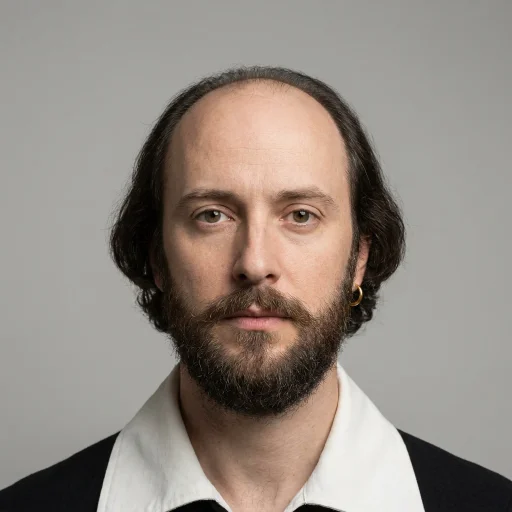
William Shakespeare
Regarded as the greatest playwright of all time, William Shakespeare transformed world literature with his tragedies, comedies, and sonnets that explore the essence of the human condition. 🎭✨
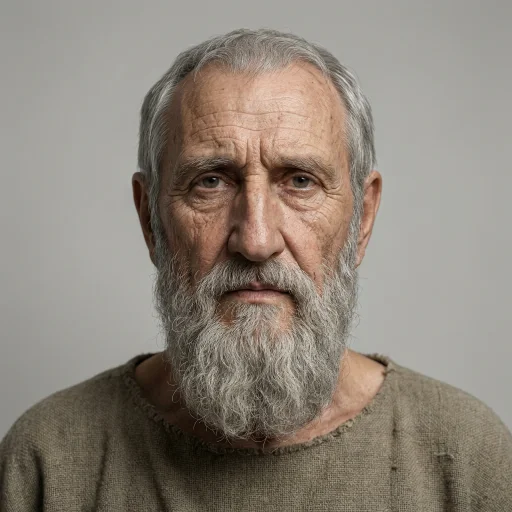
Zenão de Cítio
Founder of Stoicism, Zeno of Citium established the foundations of a philosophy based on virtue, logic, and living in harmony with the rational laws of the universe.
11 pensamentos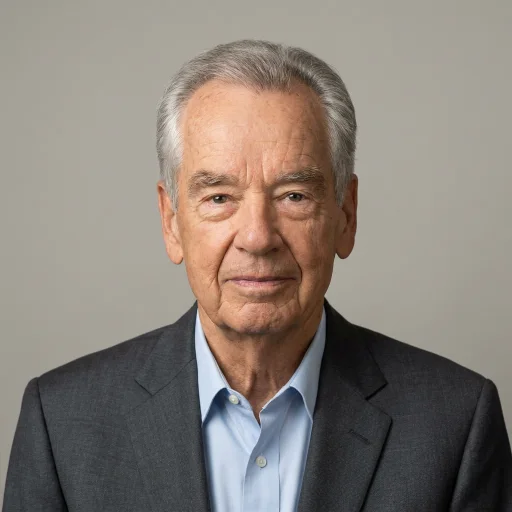
Zig Ziglar
Renowned American author and motivational speaker Zig Ziglar revolutionized the sales industry with his philosophy focused on attitude, integrity, and achieving success by helping others.
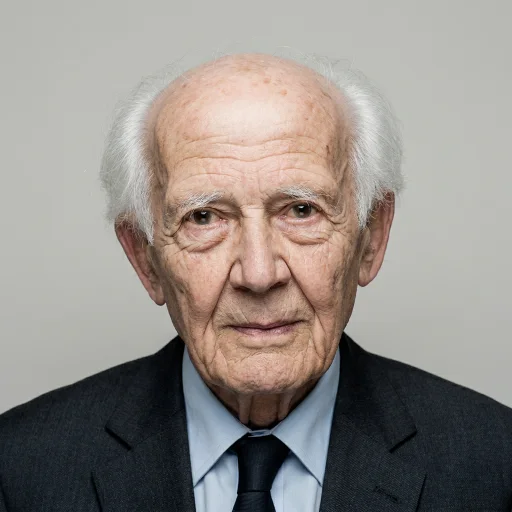
Zygmunt Bauman
Zygmunt Bauman was a Polish sociologist and philosopher who revolutionized contemporary thought with his theory of liquid modernity and the fragility of human bonds.
Publicidade